
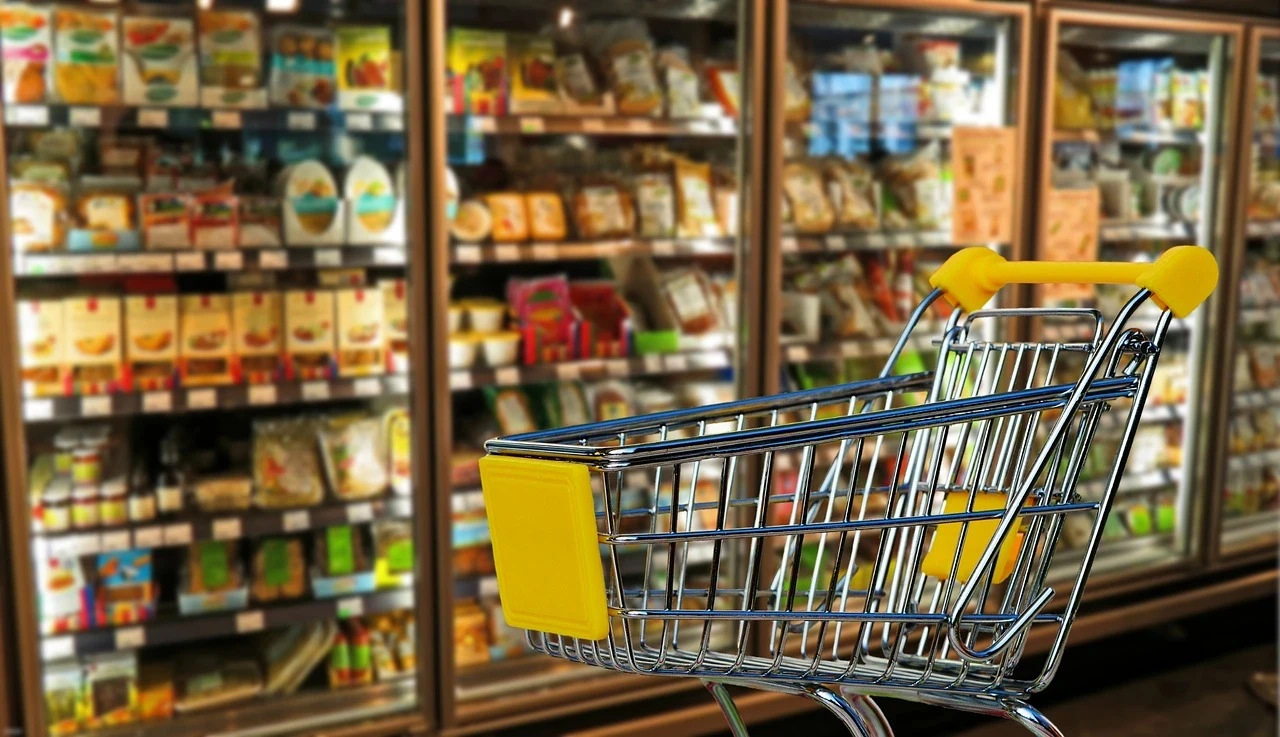
The different types of merchandising
Organization, attraction, and management merchandising: a complete overview of the different types with clear definitions and examples in grocery retail.

In short
10 min read
Merchandising refers to the set of techniques used to optimize the presentation and showcasing of products in-store in order to increase sales revenue.
It is based on three fundamental forms: management merchandising (efficiency/profitability), organization merchandising (customer journey/layout), and seduction merchandising (atmosphere/emotion).
It is structured around five strategic pillars: the window display, store layout, product assortment, atmosphere, and point-of-sale advertising (POS).
Communication (or visual) merchandising aims to create a strong and analytical brand identity, which is essential for competitive differentiation.
Digital merchandising (phygital) integrates interactive technologies to personalize the customer experience and boost engagement.
Merchandising performance is measured through key indicators (revenue, conversion rate, average basket, inventory turnover) and regular shelf audits.
Collaboration between brands and points of sale, through the sharing of checkout data (sellout), is crucial for optimal in-store execution.
At a time when customer journeys are becoming increasingly digital, 62% of European consumers say they prefer to shop in-store rather than online, according to a 2024 Sony study. At the heart of retail store commercial performance lies a proven concept: merchandising! Born with the rise of self-service, this key retail technique is at the center of any in-store sales strategy.
But the word merchandising encompasses many concepts. It is therefore important to break it down to master all its aspects, especially since French and English sometimes use it differently. 🧐
Today, Sidely takes a close look at the definitions and key ideas of merchandising that every retail player - brand or store - should master.
We will start with the general definition of merchandising, then we will detail its different types. We will then review a number of key concepts in France and elsewhere, as well as examples and best practice ideas to implement in your shops. Finally, we will look at how to evaluate the results of your merchandising efforts.
Merchandising: definition
Merchandising refers to all the techniques aimed at optimizing the presentation and promotion of products in-store, to capture the customer's attention, facilitate their journey, and trigger a purchase. The ultimate goal: maximize revenue per shelf linear foot.
In practical terms, this covers:
shelf and product organization;
lighting, colors, and visuals to capture attention;
highlighting promotions and special offers;
inventory management to avoid stockouts.
Born with self-service retail, merchandising pursues a simple goal: to make products sell (almost) by themselves. To do this, it makes the retail space attractive and efficient, and mobilizes dedicated experts: merchandisers or visual merchandisers.
There are 3 main forms: management, organization, and temptation (seduced merchandising). We detail them below, before exploring other pillars such as visual or event merchandising.
💡 Sector Guides
Sidely also offers merchandising guides by industry:
Objectives and Purposes
Merchandising pursues the following objectives:
Clarify the store's offering;
Correlate the space and visibility of each product with its share of total revenue;
Smooth the customer journey;
Maximize the average basket value;
Strengthen the store's (or brand's) image;
Maximize profitability per square foot (or linear foot);
Build a differentiating experience in a competitive environment.
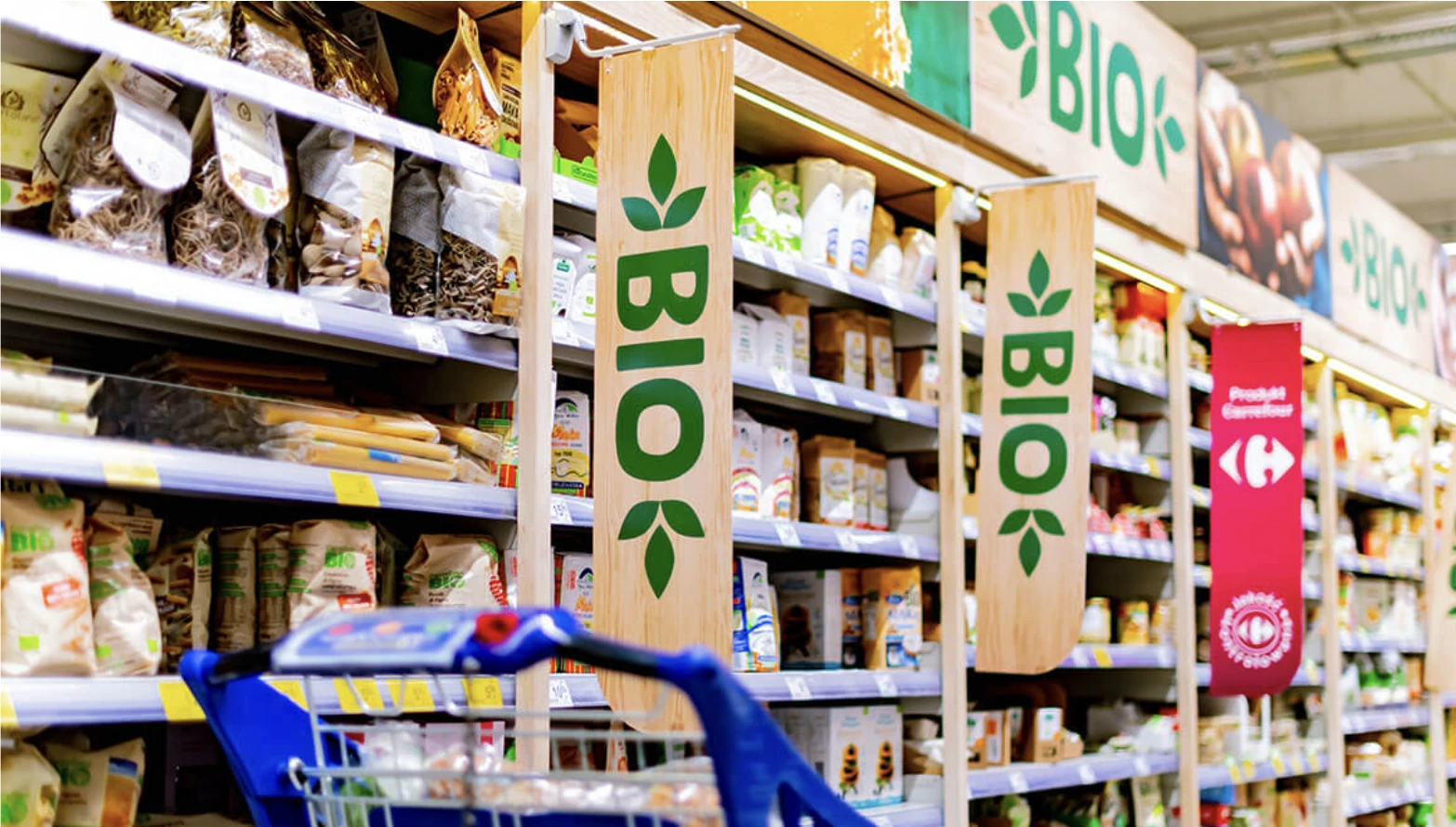
The 5 pillars of merchandising
It is common to encourage stores to focus their actions on five particularly strategic areas to increase their results:
Storefront window: this is an undeniable source of traffic for shops. Many techniques can improve its appeal: loss leaders or trends, staging and dramatization, atmosphere, dynamic displays, etc.
Layout: allowing customers to navigate easily, find what they are looking for thanks to well-organized shelves, clear signage, or a sufficient number of facings.
Assortment: applying Kepner's theory (the right product in the right place at the right time...) and balancing the expectations of different stakeholders: suppliers, distributors, and consumers.
Atmosphere: setting up sensory marketing or sensory merchandising, which aims to appeal to the 5 senses.
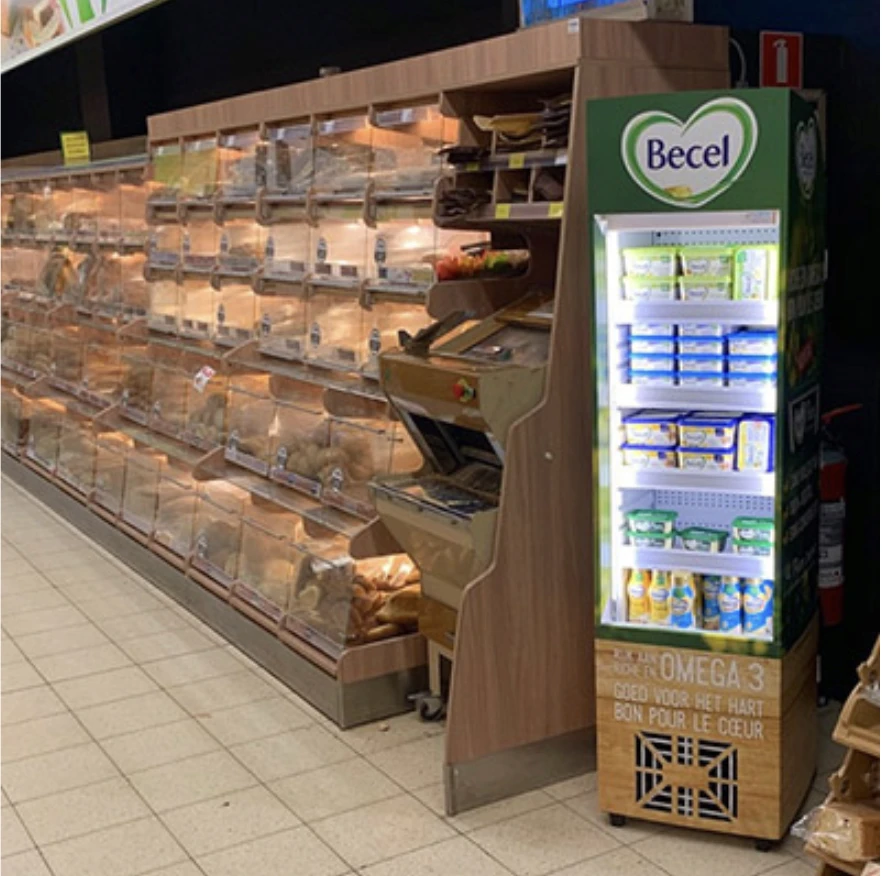
POS display: using point-of-sale advertising materials such as stands, display units, or endcaps.
The different types of merchandising
1) Management merchandising
This type of merchandising focuses on profitability and efficiency of the retail space. It aims to find the best possible layout (assortment, presentation, visibility, etc.) with the goal of maximizing revenue. This includes the strategic arrangement of items based on their proximity, size, and quantity, to encourage impulse buys.
Far from relying on intuition or experience, management merchandising relies heavily on sales data analysis to adjust the layout and maximize commercial efficiency. Intelligent planogram software helps optimize the sales performance of shelves.
In addition to organizing the sales floor, management merchandising seeks profit drivers through inventory management, product rotation, assortment adjustments, or the calculation of performance ratios (revenue per linear foot, turnover rate, etc.).
Some retailers also use the term category merchandising (linked to category management) which translates into organizing products by coherent groups, and optimizing assortments according to customer needs.
Objectives:
Maximize revenue per square foot;
Optimize shelf organization and the allocation of products and collections.
Techniques used:
Category performance analysis;
Use of planograms to plan shelf layouts;
Management of hot and cold spots to maximize customer interest.
Example of management merchandising: Decathlon
The brand manages its shelves with data, each sports category is laid out according to sales performance, with planograms optimized by the linear foot. High-rotation products occupy the most profitable spots, and the assortment is continuously adjusted. Management in its most advanced form: space follows revenue.
💡Sidely Tip: always start by designing your planograms, and only then do your restocking. This allows you to plan your merchandising and fill the shelves to meet sales goals per linear foot.
Discover management, combat, and conquest strategies.
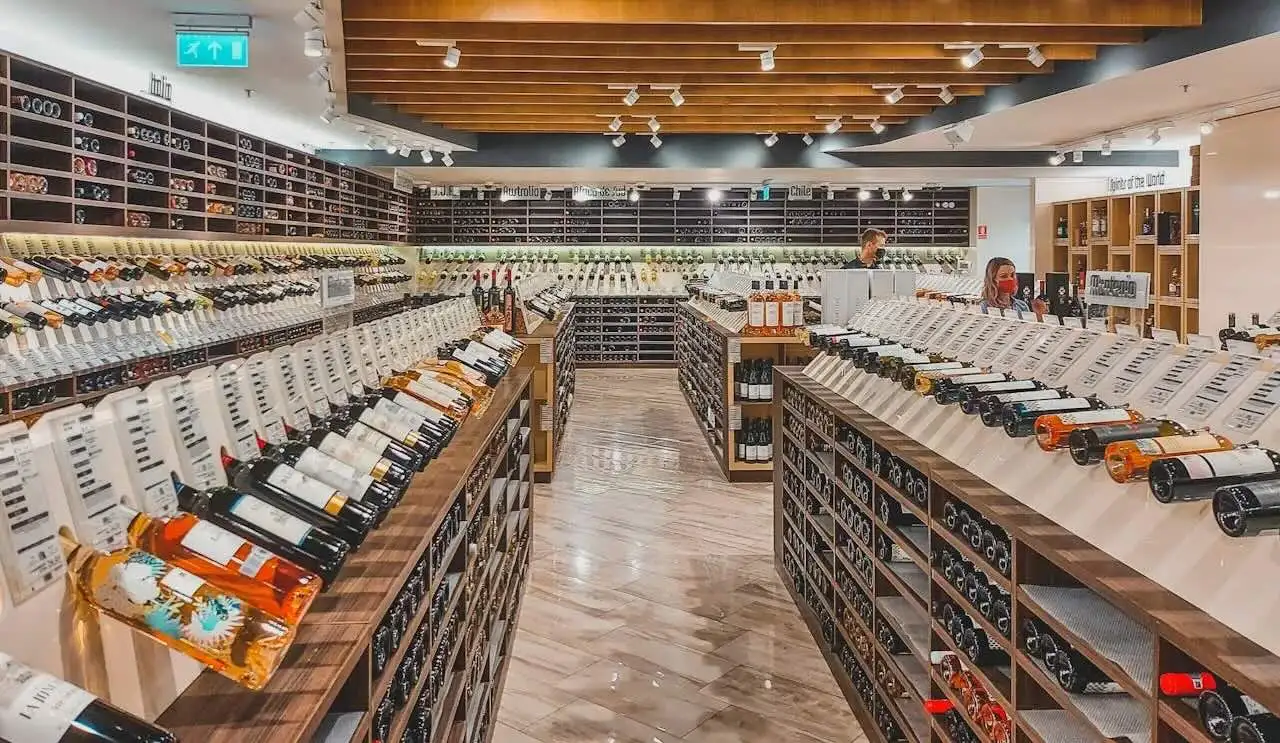
2) Organizational merchandising
Organizational merchandising concerns the physical layout of products and spaces to smooth the customer journey and thus maximize sales. The goal here is to structure the sales area to facilitate customer navigation, and organize products logically, taking into account foot traffic flow and product categories.
The goal is to help the shopper find what they are looking for, to increase sales through an easier shopping experience.
Objectives:
Facilitate product access and improve in-store traffic flow;
Optimize the use of available space.
Techniques used:
Logical product distribution based on category or usage;
Creating planograms to organize shelves and racks;
Strategic placement of essential products in key areas;
Product rotation based on seasonality or performance.
Example of organizational merchandising: IKEA
The textbook case. The store imposes a single-direction layout that guides you through all categories before reaching checkout. Nothing is left to chance: you are guided, exposed to as many products as possible, and essentials (dishes, candles, accessories) are placed at the end of the journey to trigger impulse buying. In supermarkets, we find the same logic when milk and eggs are relegated to the back of the store: to reach them, the customer has to walk through and cross all other aisles.
🌎 Geomerchandising consists of adapting the assortment to the housing and socio-demographic categories of the trade area. It also adapts to the characteristics of the location: seaside, mountains, local consumption habits, tourism presence...
💳 We can also talk about promotional merchandising to refer to all the techniques used to showcase sales offers, create spaces dedicated to promotions, or communicate discounts and special offers.
3) Temptation merchandising (Seduction)
Temptation merchandising seeks to create an attractive atmosphere that stimulates the customer's senses. By using elements such as lighting, music, or product staging, it aims to arouse positive emotions and extend the time spent in-store, which can lead to increased sales.
POS displays, signage, and theatricalization contribute to temptation merchandising, as do colors or ambient scents. This is referred to as emotional or sensory marketing. A pleasant and engaging experience also fosters customer loyalty, helping them build an emotional connection with the store or brand.
Objectives:
Attract customer attention;
Create a pleasant and immersive shopping experience.
Techniques used:
Use of lighting, colors, scents, and music to enhance the atmosphere;
Product staging through storefront displays or platforms;
Creating an atmosphere that reflects brand identity or customer expectations.
Example of temptation merchandising: Nature & Découvertes
The retailer transforms the visit into a sensory experience: essential oils diffused, nature soundtracks, hands-on product tests. The atmosphere extends the time spent in-store and creates an emotional connection with the brand. The same mechanism, more subtle, is used in supermarkets that place the bakery at the entrance: the smell of fresh bread is never a coincidence.
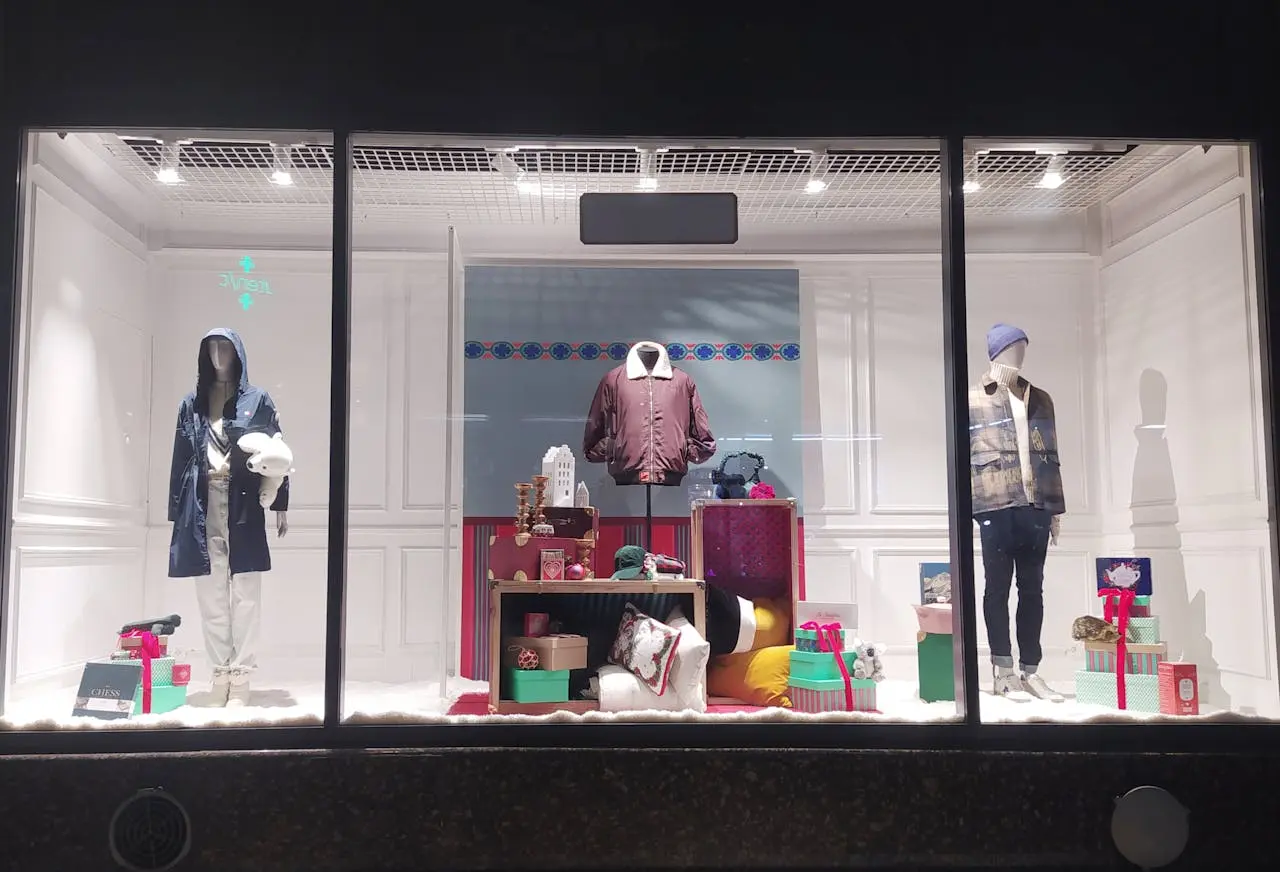
Communication merchandising
Communication merchandising is focused on the clear and attractive transmission of information about products.
Also known as visual merchandising, this technique focuses on establishing a visual dialogue with customers. It uses advertising materials and graphic elements to highlight brand values and positioning, thereby helping differentiate the store in a competitive market.
Objectives:
Encourage the customer to make quick purchasing decisions;
Highlight product benefits or promotions;
Create a differentiating visual universe.
Techniques used:
Clear and visible signage throughout the store;
Display of prices, promotions, and product features;
Use of informative and attractive labels.
An example of communication merchandising: Apple Store
Total minimalism, demonstration tables where everything can be handled, signage reduced to a minimum. Each element reflects the brand's positioning (simplicity, premium quality, accessibility) without needing a single word. The store itself becomes the message.
Digital Merchandising
Sephora is a good example of digital merchandising: smart mirrors, diagnostic terminals, or an app that enriches the in-store experience. The brand bridges physical and digital to personalize the journey. On a larger scale, the electronic shelf labels becoming common in supermarkets illustrate the same shift: the shelf is connected and manageable in real-time. Digital merchandising transforms the store experience through the integration of digital technologies. Interactive screens, digital kiosks, and connected tools create a seamless link between physical and digital retail (often called phygital).
These innovations enable greater personalization of the customer experience, boosting engagement and satisfaction while optimizing sales performance.
Positioning and brand merchandising
The scope of visual merchandising goes far beyond simply using communication materials and product displays; it literally aims to create a visual identity that conveys the brand or store values. We can also call this brand merchandising.
In this context, the term communication merchandising refers to branding and brand positioning. It is a kind of supra-merchandising that builds on the 3 traditional types of merchandising we just explored to form a comprehensive and consistent experience.
It results from successful alignment among management, organization, and temptation, and is the signature of a retailer or brand. The entire setup must deliver on the brand promise. Communication merchandising tells a story, conveys brand values, and transforms the retail space into a unique and distinctive environment synonymous with well-being.
💍 Visual merchandising is fundamental for brands with a very strong identity, for example in the luxury sector. These brands often have extremely strict guidelines for presenting products in stores. Manufacturers ensure compliance with display and enhancement instructions; this is called retail execution.
To summarize, here is how to choose the right type of merchandising according to your primary objective:
Type of merchandising | Prioritize when you want to... | Main lever | KPI to track |
|---|---|---|---|
Management | Make each linear foot profitable | Planograms + sales data analysis | Revenue / linear foot, turnover rate |
Organization | Smooth the journey and product access | Logical layout, hot/cold spots | Conversion rate, visit time |
Temptation | Create an experience and extend the visit | Sensory atmosphere, staging, POS displays | Time spent, average basket value |
Communication / Visual | Drive fast decisions and differentiate the brand | Signage, consumer information displays, visual identity | Awareness, store image |
Digital (phygital) | Personalize and connect the experience | Interactive screens, kiosks, connected tools | Engagement, conversion |
Promotional items: the other merchandising!
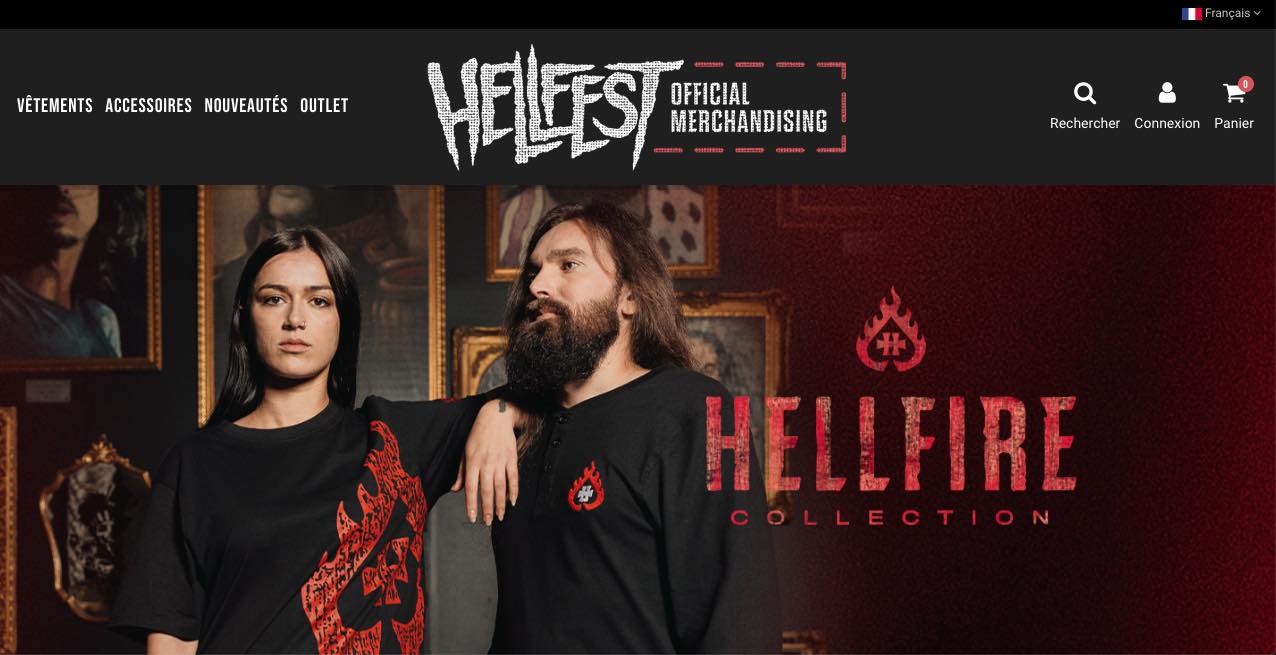
In English-speaking countries, the word merchandising is often used to refer to licensed products or "merch."
Therefore, when they want to talk about what French speakers call merchandising, they usually add a qualifier. The most common are "retail merchandising" or... "visual merchandising," which literally refers to our understanding of merchandising... rather than what we call visual merchandising. 🤯
In any case, when our American friends talk about merch, they are usually referring to promotional items.
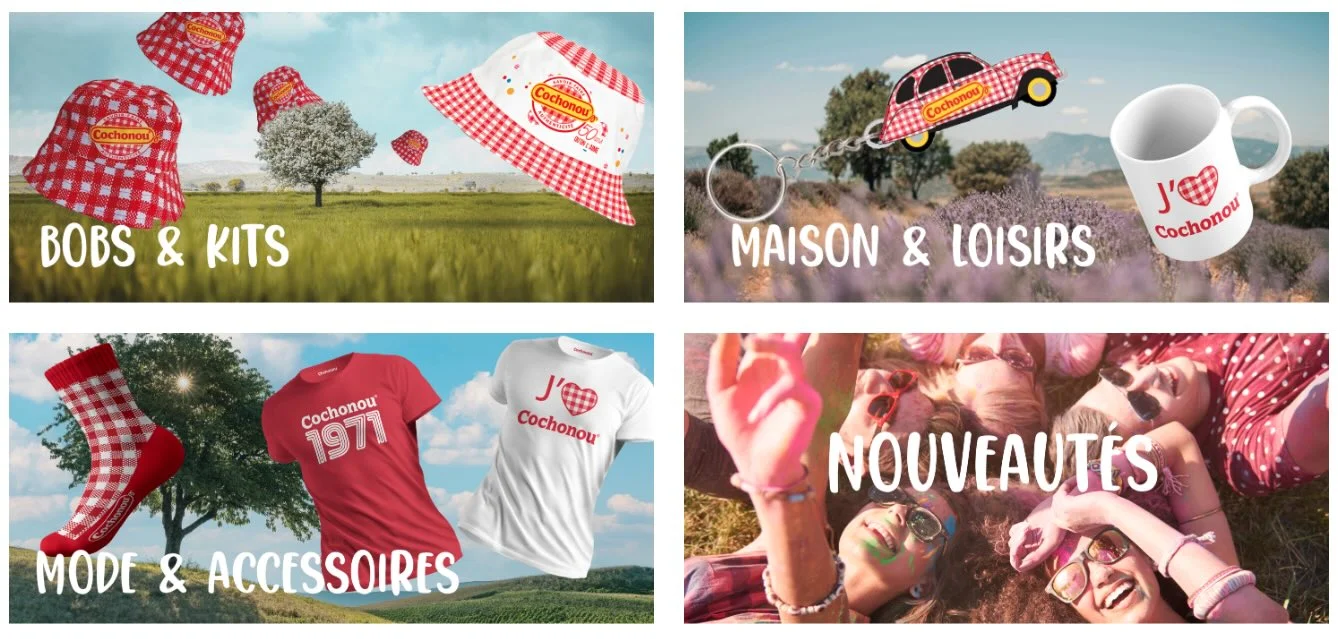
In the same vein, we sometimes hear the term event merchandising, as "goodies" are often distributed during events such as concerts or sports competitions.
These represent opportunities for marketing activation campaigns or promotional efforts, allowing brands to connect with potential customers to boost awareness and popularity.
Branded items help encourage passersby to interact. Keeping them creates a lasting memory and connection with the brand. They can also be a source of additional revenue for companies holding the rights.
Defining YOUR merchandising strategy
As we have seen, there are many techniques and strategies under the merchandising umbrella. And it is obvious that the luxury, events, apparel, or drugstore industries will have different goals and priorities. To formalize these choices, check out our article on how to structure a merchandising plan.
To inspire you in implementing best practices, here is a series of concrete examples: 10 merchandising action ideas matched with your marketing objectives.
Marketing Objective | Merchandising Action | How to implement it |
|---|---|---|
Optimize assortment | Understand target customer / Geomarketing | Adapt product presentation to the needs, tastes, and buying behaviors of your target audience. |
Increase foot traffic | Optimize storefront windows | First impressions count: highlight flagship products, new arrivals, or promotions to drive traffic. |
Increase sales | Optimize layout | Organize zones intuitively (hot spots for high-margin products, cold spots for secondary items). |
Boost star products | Place strategic products at eye level | This height naturally attracts attention and drives higher sales. |
Boost promotions | Staging in storefront windows | Create focal points (displays, lighting); a pyramid arrangement drives sales. |
Strengthen brand experience | Vary displays | Regularly update layouts to sustain interest and trigger impulse buys. |
Smooth the shopping journey | In-store information display (ILV) | Clear signage: readable and visible prices, promotions, and categories. |
Increase dwell time | Enhance sensory experience | Play with lighting, music, and scents to create an immersive experience. |
Increase average basket value | Cross-selling | Group complementary products together to generate cross-sales. |
Increase brand awareness | Distribute branded products / promotional merchandise | Partner with a major event and offer branded merchandise outside the store. |
Evaluating the impact of merchandising on sales
To judge merchandising effectiveness, brands and stores can measure changes in various indicators, comparing sales performance before and after implementing their merchandising activities.
Several KPIs can prove useful:
Revenue (sales);
Average weekly sales (AWS);
Inventory turnover rate;
Conversion rate: number of transactions divided by number of visitors;
Average basket size: number of items purchased per transaction.
As some data remains confidential to retail stores, distributed brands must set up collaborative mechanisms including the sharing of POS checkout data, known as sell-out data.
This data-sharing trend is accelerating with field digitalization: the share of sales representatives equipped with a data collection tool rose from 19.9% to 64.8% in two years (+44.9 points, according to our 2026 study on district managers). Field data collection is thus becoming more frequent, reliable, and actionable for brands. To go further, discover how to digitalize merchandising tracking.
However, financial performance evaluates results without necessarily validating correct retail execution. This is why brands send sales reps to stores to perform shelf audits, check product availability and presence on shelves, and ensure correct placement of POS elements. This is indeed a true merchandising audit.
This audit is far from minor: it is actually the activity that occupies sales reps the most in-store. According to our 2026 study on district managers, tracking and auditing shelves is the most time-consuming task during a store visit (averaging 50 minutes), ahead of selling promotions and shelf-layout tracking. Verifying correct shelf merchandising execution is a full-time job.
By cross-referencing sales performance across different retail locations where their products are sold, brands can identify improvement opportunities and try to support underperforming stores. For retail sales reps, advising store managers beyond just their own brand is always highly valued. This establishes a win-win relationship based on knowledge sharing and data exchange, as recommended by trade marketing practices.
With this final recommendation, we hope we have comprehensively covered the topic of merchandising. You should now be able to define your priorities in this area and identify key improvement paths in your stores.
All that's left is to take action!
On our end, we wish you nothing but rising sales! 🤞
Alexis co-founded Sidely after several years of service as a sales director. To understand what builds, or breaks, a salesperson's performance, he conducted more than 100 telephone interviews with field sales representatives. At Sidely, he transforms this raw knowledge into concrete support, based on facts rather than assumptions.
See also

Artificial intelligence and field professions: what our 2026 studies reveal
Adoption, barriers, use cases: discover what our three studies reveal about the role of AI among sector managers, sales representatives, and foodservice sales reps.

CHR and RHF Sales Representatives: portrait of a relationship-driven profession in the era of data
Equipment, productivity, AI: discover the major trends for the HORECA and food service sales profession in 2026 through our field study.

Pharmaceutical Sales Representative in France: Portrait of a Field Job Under Pressure
Compensation, aspirations, AI usage: discover the major trends in the pharmaceutical sales representative profession in 2026 through our field study.

Area Sales Managers in France: who are they and how is the profession evolving in 2026?
Compensation, aspirations, AI usage: discover the major trends in the field sales representative profession in 2026 through our field study.
The area manager professions in 2026
Discover the trends, the challenges, and the key figures.