
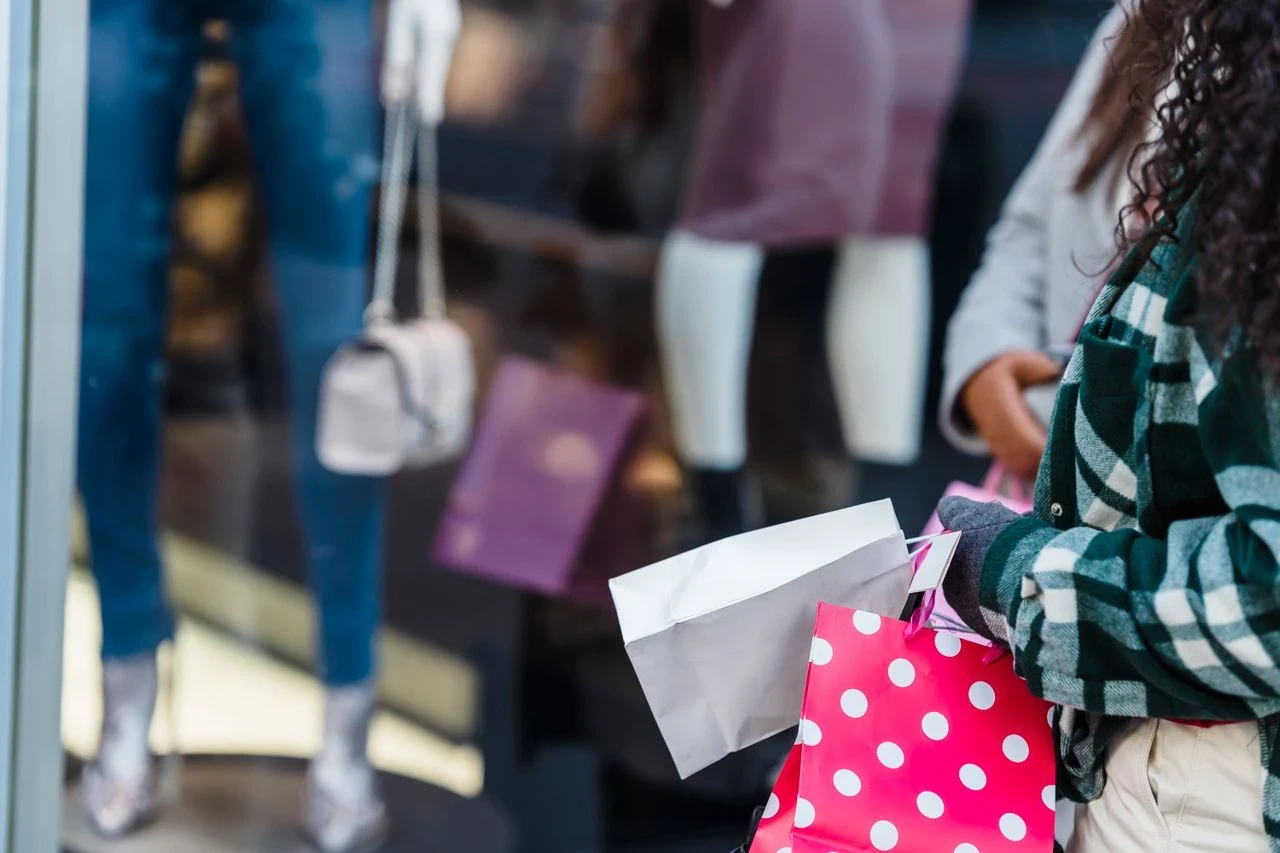
Shopper marketing: the keys to boosting your sales
What if the buyer and the consumer were different audiences? Discover shopper marketing, a lever to improve customer understanding and sell more.

In short
4 min read
Shopper marketing distinguishes the buyer (the one who decides and makes the purchase) from the consumer (the one who uses the product).
The shopper is influenced by merchandising, promotions, advertising, and the immediate context of the point of sale.
Key actions include shelf layout, personalized promotions, and in-store digital tools.
"Phygital" integrates technology (augmented reality, tablets) to enrich the shopping experience at the point of sale.
Shopper media includes all advertising and digital media located in the immediate vicinity of or linked to the act of purchase.
Analyzing the shopper journey optimizes the conversion rate by studying the customer's complete path.
To maximize their sales, brands and points of sale strive to constantly improve their customer knowledge. But defining typical buyer profiles is not enough. Faced with a supermarket shelf, the customer is inclined to ask themselves multiple questions at the time of purchase.
This is why, with the goal of improving performance on the shelf - but also on online sales sites - marketing theory gave birth to a concept that allows separating the buyer from the consumer.
Today, Sidely takes you to discover shopper marketing!
Shopper marketing: definition
To start, the term shopper refers to a person who is in the process of purchasing a product or service, whether in-store or online (this is when we can talk about e-shoppers). Unlike the consumer, who is the person who uses or consumes the product, the shopper is specifically the person who makes the purchase decision and completes the transaction.
The most common example is that of toys: it is obvious that parents have selection criteria that completely escape their children, such as carbon footprint, compliance with EU standards, or the use of recyclable materials, etc.
The shopper is therefore at the heart of the purchasing act. As such, they can be influenced by various factors such as promotions, in-store presentation, merchandising, or even advertising. They are the buyer that brands, points of sale, and e-commerce sites target in the communication surrounding the moment of purchase.
This notion of geolocalization tends to include shopper marketing in the activities of p.o.s. marketing (point-of-sale marketing) or experiential marketing, since activation generally takes place near the product being sold.
For this reason, retail players and manufacturers deploy in-store actions, all the more so in strategic aisles, to capture customers' attention and maximize the chances of their product being chosen from among a generally large competitive offering.
Shopper marketing actions can include:
The layout of points of sale (merchandising);
Personalized in-store promotions;
Digital marketing related to the shopping experience (geolocalized advertising, mobile offers);
Loyalty programs or initiatives to improve the in-store experience.
#Trend
The phygital is in the spotlight in modern shopper marketing actions. Different digital devices at the point of sale can thus enrich the experience of customers during their shopping or grocery trips in supermarkets: augmented reality via an app installed on a smartphone (visualize yourself with a new makeup brand in one click!) and the use of tablets in the aisles are some of the techniques used to arouse curiosity and interest at the moment of purchase.
⚠️ Usage extended to marketing activation
In reality, the term "shopper" is increasingly used by retail and field marketing professionals to designate customers in general, thus consumers... For example, the Globe agency, an expert in shopper marketing, presents sampling campaigns carried out in French subway stations on behalf of advertisers such as Lavazza or Actimel. We are far from the point of sale of these products… Such is the life of marketing vocabulary!
Integrating shopper marketing into brand strategy
There are many marketing and sales organizations and structures designed to boost sales. Here we will consider some specificities related to retail.
Jobs in shopper marketing
The size and industry of the company often impact the existence of a position dedicated to shopper marketing. Some multinationals even make it a department in its own right.
Generally speaking, the position of Shopper Marketing Manager is quite common in fast-moving consumer goods (FMCG) companies, as well as in major retail chains. Their role is to develop and implement strategies aimed at influencing consumer purchasing decisions at the point of sale, through targeted campaigns, promotion management, and improving the visibility of products in stores. This involves analyzing buyer behavior, optimizing marketing actions, and managing budgets to maximize sales.
The shopper marketing manager must therefore combine creativity, collaboration, and project management to design engaging and effective shopping experiences. If the workload requires it, they can get help from an assistant shopper marketing manager.
In its e-commerce version, digital shopper marketing performs the same functions of encouraging purchase at the time of viewing product pages on an e-commerce site, for example.
Finally, hiring is not systematic. Indeed, there are agencies specialized in shopper marketing. This is therefore a service that can be outsourced, as is often the case with activation and promotional operations, particularly for consumer goods brands.
Shopper marketing VS trade marketing
For brands present in retail, understanding the shopper profile is decisive, yet problematic. Generally, it is the retail chains that have the most data on the customer profile (gender, age, socio-professional category, etc.). Manufacturers can find themselves weakened vis-à-vis retailers, who do not hesitate to monetize their customer knowledge. Moreover, sellout data is regularly requested by brands in annual negotiations with supermarkets.
Business is business!
Faced with this state of affairs, companies still have levers. Marketing must act on - and with - points of sale. This is what we call trade marketing, an approach that targets retailers (chains and stores) and aims to improve commercial relationships between manufacturers and distribution channels.
The goal is to encourage retailers to give better visibility to products, optimize their availability, and promote their rotation.
Trade marketing includes:
Negotiations with retailers for better shelf positioning;
Setting up specific promotional offers with retailers;
Large-scale merchandising plans, prepared jointly;
Creating marketing materials to help retailers sell the product (POS, displays), etc.
To dive deeper into this subject, read our article on trade marketing.
Differences between trade marketing and shopper marketing
Shopper marketing and trade marketing are therefore two complementary approaches in manufacturers' marketing strategy, but they target different audiences and focus on specific objectives within the supply chain. Ideally, these strategies should be aligned to maximize the effectiveness of marketing campaigns and increase sales.
Useful vocabulary
To perfect your vocabulary on the subject, let's finish with a few concepts you are likely to come across!
Mystery shopper / Secret shopper
These terms refer to a person hired by a brand, store, manufacturer, or even a specialized agency to evaluate service quality, customer experience, or compliance with procedures in a point of sale or service company. The mystery shopper visits or purchases anonymously and acts like an ordinary customer while observing and noting various aspects of the interaction.
Shopper media
The term shopper media refers to advertising materials located near the product being sold. This can therefore include advertising posters, POS materials, or digital screens. However, we can expand its use to all sales materials directed at the shopper as defined in this article (as opposed to the consumer). This then includes digital tools, such as advertising banners or product recommendations. In any case, shopper media is designed to trigger the decision at the moment of purchase.
Shopper journey / shopper trip
Here we are talking about the customer's buying journey. This concept is particularly interesting for improving conversion rates, as it takes into account the entire path traveled by the customer, rather than being limited to the aisle or the endcap. For example, we know that checkouts are prime areas for impulse buying.
Looking to increase your sales in supermarkets? → Discover Sidely, the performance CRM for retail brands!
Margot has been working in Tech and SaaS for 8 years, with a multi-product experience that has given her a unique understanding of business challenges. On a daily basis, she analyzes, relentlessly tests, and relies on facts to shed light on market trends and help sales teams move forward.
See also

Artificial intelligence and field professions: what our 2026 studies reveal
Adoption, barriers, use cases: discover what our three studies reveal about the role of AI among sector managers, sales representatives, and foodservice sales reps.

CHR and RHF Sales Representatives: portrait of a relationship-driven profession in the era of data
Equipment, productivity, AI: discover the major trends for the HORECA and food service sales profession in 2026 through our field study.

Pharmaceutical Sales Representative in France: Portrait of a Field Job Under Pressure
Compensation, aspirations, AI usage: discover the major trends in the pharmaceutical sales representative profession in 2026 through our field study.

Area Sales Managers in France: who are they and how is the profession evolving in 2026?
Compensation, aspirations, AI usage: discover the major trends in the field sales representative profession in 2026 through our field study.
The area manager professions in 2026
Discover the trends, the challenges, and the key figures.