
Sensory marketing: definition, method, and examples
Visual, olfactory, auditory, tactile, gustatory: how sensory marketing influences in-store purchases. Definition, examples, and supermarket applications.

In short
7 min read
Stimulate the 5 senses (sight, hearing, smell, touch, taste) to influence brand perception and encourage the purchasing decision.
Strengthen emotional engagement and consumer memory recall beyond simple rational thinking.
Optimize point-of-sale performance by increasing visit duration, average basket value, and customer loyalty.
Create a consistent and immersive brand experience, often referred to as a 'love brand' in successful cases.
Apply sensory techniques to digital (design, UX, augmented reality) to bridge the gap with physical commerce.
Adopt a structured approach (customer analysis, objectives, consistency, testing) while remaining mindful of investments and the risks of rejection due to overstimulation.
Any brand or retail chain wishing to boost its business results by offering a unique experience must master the technique of sensory marketing.
Sidely takes you on a journey to discover this key concept for product and service sales players. We will go through the definition, the benefits for manufacturers and points of sale, review iconic examples of brands that have used sensory marketing brilliantly, and then reveal the limitations you need to know. Finally, to help you take action, we will provide a step-by-step method to implement your own sensory marketing strategy.
Let's go!
Sensory marketing: definition and contexts of use
Sensory marketing brings together all the techniques used to stimulate one or more of the consumer's 5 senses - sight, hearing, smell, touch, and taste - to influence the perception of a brand, product, or retail environment.
Indeed, positive sensory experiences increase engagement, strengthen memory retention, and influence purchasing decisions.
By triggerring emotional and cognitive reactions, the ultimate goal of sensory marketing is to promote the sale of a product or service. However, its objectives are often broadened to the commercial performance of a point of sale, whether it involves increasing the average basket size, the conversion rate, or customer loyalty.
💙 Emotion at the heart of the purchase
Strategic marketing tends to overestimate the importance of reflection in the purchasing act. In reality, sales often rely on emotion. Apple is frequently cited as a pioneer brand in this psychological approach to the consumer, who is highly sensitive to emotional states and reacts just as much to pleasure as to well-being.
Since sensory marketing relies mainly on feelings, it can also be referred to as experiential marketing, and each sense can lead to a discipline in its own right:
Sight → Visual marketing;
Hearing → Auditory marketing;
Touch → Tactile marketing;
Smell → Olfactory marketing;
Taste → Gustatory marketing.
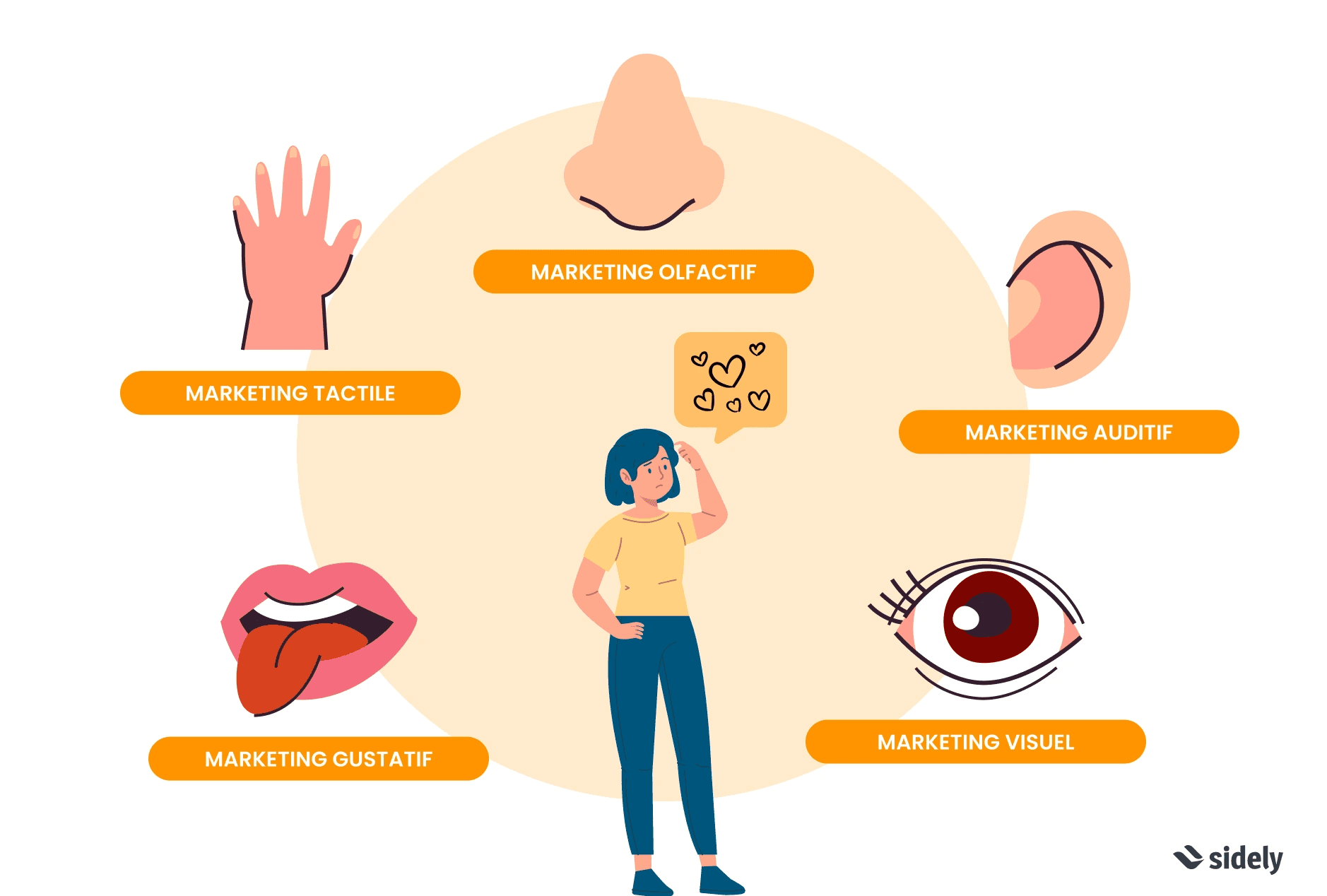
The five senses in sensory marketing
Sight: colors, shapes, designs, and lighting are used to capture attention and convey a strong visual identity (which begins right from the storefront window). Retailers use specific palettes to evoke emotions or values. This concept of branding can be extended to the logo or messages used in points of sale, and even to different types of merchandising.
Hearing: music, voice-overs, or ambient sounds are carefully chosen to influence customers' mood and behavior, as seen in stores or restaurants. Sound design, such as jingles and other brand signatures, is part of this.
Smell: specific fragrances or scents are diffused in spaces to create a pleasant atmosphere, trigger memories, or associate a scent with a brand.
Touch: materials, textures, or even the opportunity to handle products play an important role in the sensory experience and the perception of quality. Physical contact is often considered a prerequisite for the purchasing act.
Taste: in certain sectors (food, beverages), tastings or taste experiences strengthen the emotional connection with the product. This sense is most frequently engaged in the food service industry and mass retail.
Why use sensory marketing?
The goals pursued by sensory marketing are multiple:
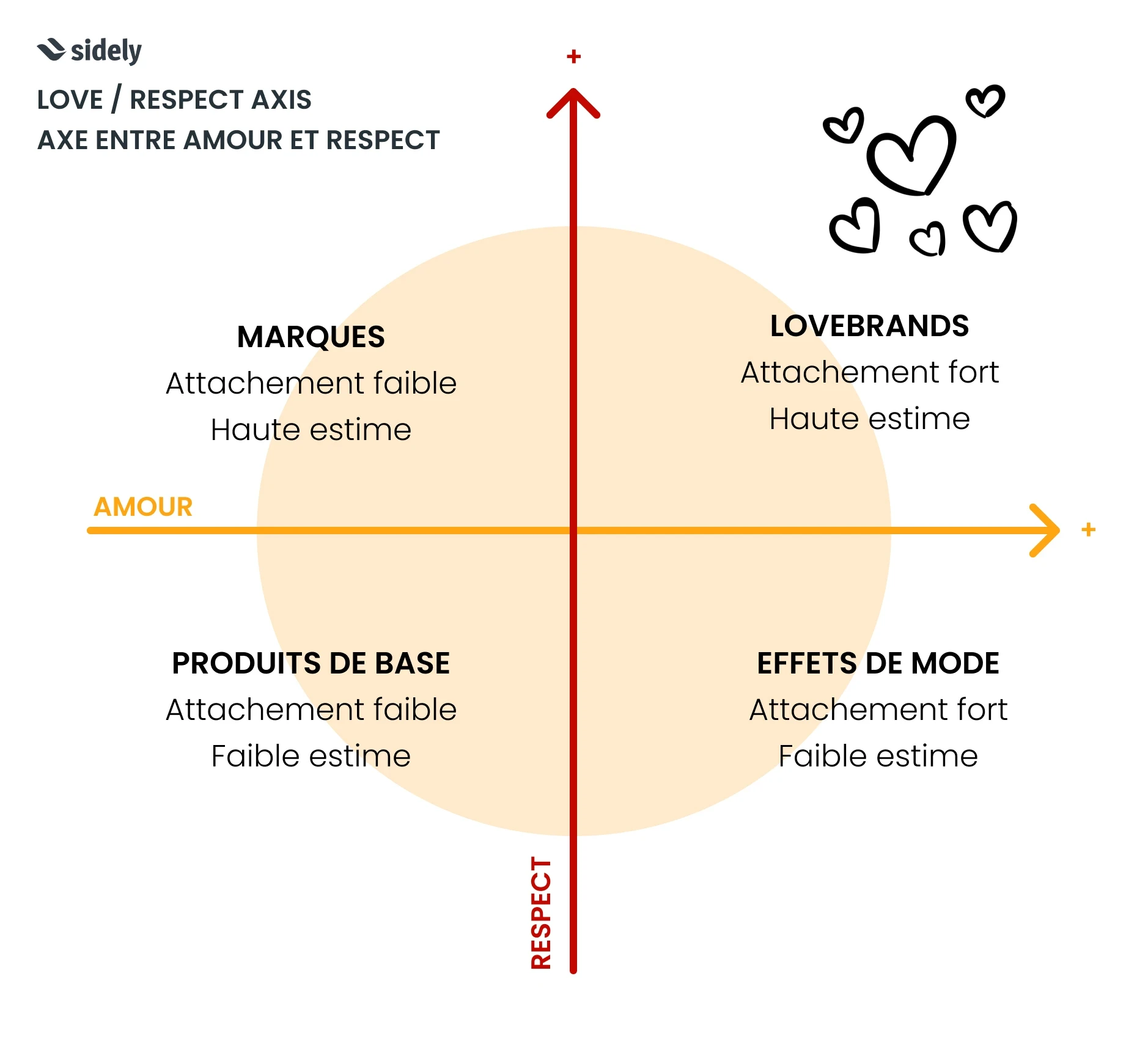
Brand identity: creating a unique and memorable sensory experience strengthens the brand's image with consumers and can even lead to the development of an emotional bond. Brands that succeed in this feat are called love brands;
Extending time spent in-store: a pleasant environment encourages customers to stay longer in the shop. Beware, this must translate into an increase in revenue... Indeed, in some cases, the opposite happens!
Boosting sales: a well-designed atmosphere can positively influence purchasing behavior. The conversion rate and average basket size are boosted by this pleasant feeling;
Fostering customer loyalty: a successful sensory experience creates a more or less intense feeling of well-being, which generally encourages customers to return to relive this positive sensation. This is not always conscious!
Positioning: with consumers saturated with advertising messages, differentiation is key to commercial performance. Emotional marketing then becomes a lever that allows brands to stand out from the crowd!
Defending brick-and-mortar retail: the rise of e-commerce has increased pressure on physical retail stores, which must now "justify" the benefit of traveling to make a purchase. Sensory marketing then makes it possible to offer a special experience that is impossible to replicate online - e.g., tasting a product! - although we will see below that sensory marketing also exists in its digital version.
Point of sale marketing
As in the Apple example, sensory marketing is often linked to product marketing.
However, when it relates to the retail space, it can then be considered a component of retail marketing, and strategic decisions involving the customer experience will then be deployed across the brand's or retailer's entire distribution network. In fact, the big names in mass retail each have their own recipe: Carrefour, Auchan, or Monoprix, they have all defined their designs, messages, layout, and even their music!
If point-of-sale marketing is a major challenge for you, we offer other resources on this topic:
Discover PoS marketing;
Discover shopper marketing;
Discover retail execution;
Digital sensory marketing
While sensory marketing is spontaneously associated with brick-and-mortar retail, its best practices generally apply to digital as well, as the web is also a great playground for brands to integrate numerous concepts of design (UI), experience (UX), and sound identity.
And the list goes on: the visual interface of websites or mobile applications is carefully designed to capture attention and create an engaging atmosphere; colors, animations, images, and videos play a key role in capturing consumer attention and generating positive emotions. Brands can even use virtual reality (VR) and augmented reality (AR) to immerse users in captivating visual stories. For example, Maybelline invites you to "find the perfect shades for you and try on its virtual makeup tools."
Grain de Sail, for its part, invites you to track the cargo sailboat transporting its organic products: coffees, chocolates, and wines with limited CO2 emissions!
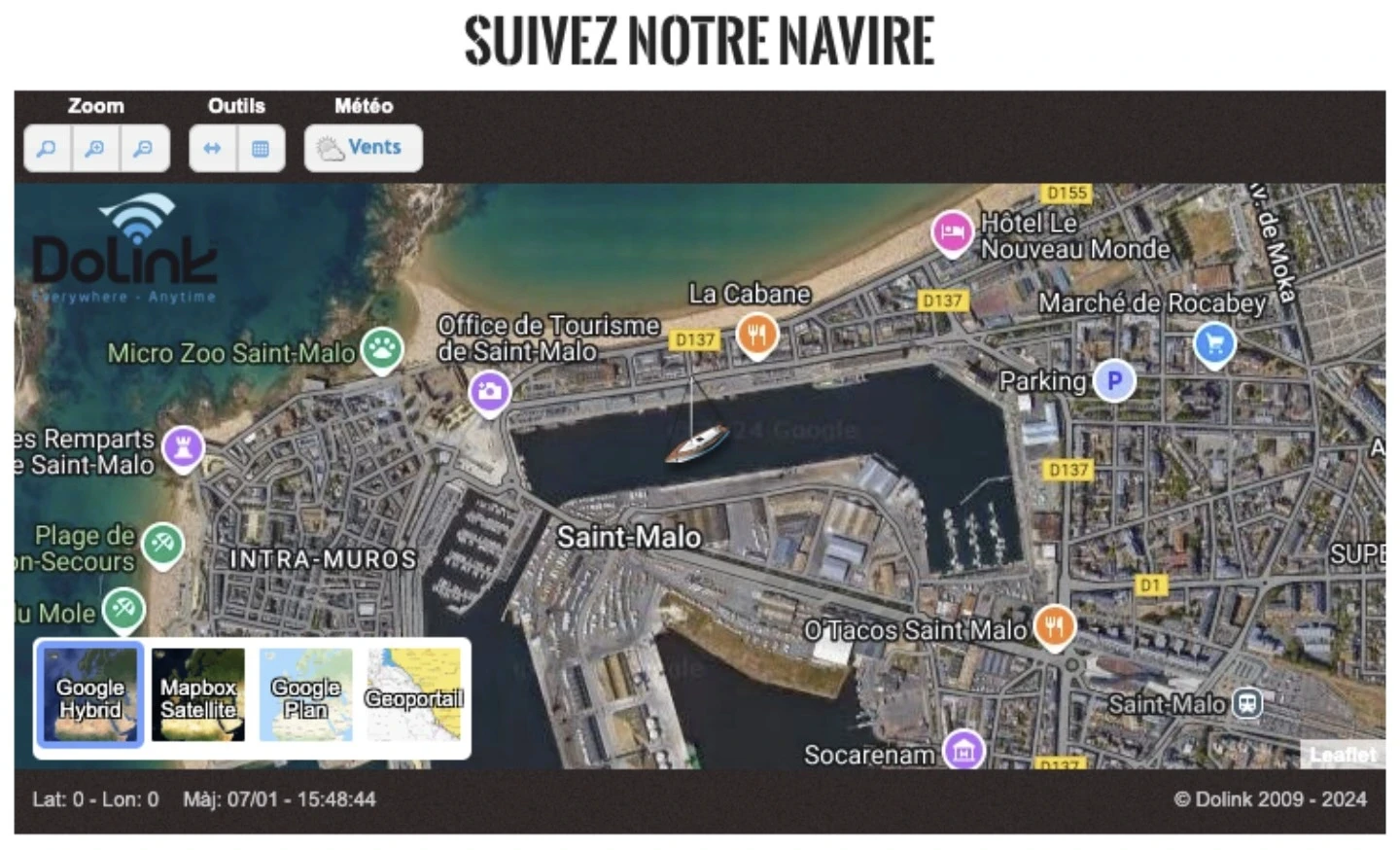
Even merchandising has found its place in digital. This shows how thin the line between offline and online commerce has become, and how digital sensory marketing best practices are flourishing. Ultimately, the goal is the same: to make the user experience more immersive, strengthen memory retention, and encourage purchases by creating a stronger emotional connection with the brand.
Examples of sensory marketing by business sectors
But then, which companies use sensory marketing?
Well... all of them! And regardless of their sector!
Indeed, experiential marketing has become indispensable in most physical retail spaces, as well as on the web, as we saw above. Every industry can thus find the right levers to activate to create a favorable experience centered around well-being.
Here are a few iconic examples! We bet you already know most of them?
Sector | Type of marketing | Iconic company | Example of sensory marketing use |
|---|---|---|---|
Technology | Tactile | Apple | Do you feel forced to tilt those slightly too slanted screens up to see them better? That's planned by the brand to make you interact with the product! |
Fashion | Olfactory | Lacoste | You've just unwrapped your Christmas present and... Surprise, your new Lacoste sweater gives off a pleasant scent? That's no coincidence... |
Luxury | Gustatory | Godiva | Are you walking through the streets of Brussels, and someone "kindly" offers you a chocolate? There is little chance you will leave empty-handed... |
Hospitality | Olfactory | Hilton | But why do you feel so good in the lobby of your favorite Hilton hotel? Perhaps because you recognize a signature fragrance created for that exact purpose! |
Technology | Ambiance | Orange | You finally decide to talk to a new internet provider despite your aversion to this kind of process... Fortunately, the conversations feel very friendly around this very "coffee shop" style furniture. It almost feels like a chat between friends! |
Mass retail | Gustatory | Le Petit Basque | Can't tell the difference between goat's and sheep's milk cheese? Maybe a tasting in the middle of your supermarket grocery shopping will help! |
Coffee shops | Olfactory | Starbucks | Mmmh, that smell of freshly ground coffee... is actually created to attract customers and prolong their visit. |
Watchmaking | Visual, digital | All watch brands | Were you searching for images of watches on Google and noticed it's 10:10 on every dial?! That's normal, this more harmonious rendering is intended by all manufacturers, who wouldn't risk showing 15:15... |
Parapharmacy, beauty | Visual, olfactory | Nuxe | White, beige, brown... How soothing it feels in this environment full of half-tones, with lighting and scents that are so... natural. |
Air travel | Auditory | Transavia | Are they playing your favorite Bowie song after landing? That's to make you feel happy during this very special moment of your journey! |
How to implement your sensory marketing?
Implementing sensory marketing requires a strategic and well-planned approach to guarantee a consistent and effective customer experience.
The marketing department should follow this methodology:
Customer analysis: identify customer expectations, preferences, and needs. Example: will your customers be favorably stimulated by a warm, luxurious, or rather energizing atmosphere?
Define the right goals: increase sales, extend time spent in-store, strengthen loyalty, or improve brand image;
Identify the senses to engage: sight; hearing; smell; touch; taste. Then search for ideas to leverage each of the 5 senses;
Create sensory consistency: all sensory elements must reflect the brand's identity and be aligned with one another. Example: An organic retailer will combine soft music, natural colors, and woody scents.
Technical implementation: design, source, and deploy equipment such as scent diffusers, adjustable lighting, sound systems, etc.
Test and adjust: conduct real-world tests to measure the impact on customers (time spent, purchasing behaviors). Organize surveys to analyze reactions.
Evaluate results: measure key indicators:
- Revenue: did sales increase?
- Customer loyalty: do customers return more often?
- Time spent in-store: do customers extend their visit?
--> Use tools tailored to measuring commercial performance, like the Sidely CRM in the field of merchandising.
Practical example: a ready-to-wear boutique
Goal: Create a premium ambiance to increase the perceived value of products.
Actions:
Diffuse a light, floral scent;
Use targeted lighting to highlight articles;
Play a lounge music playlist in the background;
Offer gift wrapping with slightly scented paper.
Evaluation: gather KPIs in a before/after mode: Purchase rate, average basket size, and (over a longer period) the percentage of returning customers.
💡 Setting up sensory marketing requires very detailed knowledge of the brand and especially how it is perceived by its customers, as well as careful implementation to avoid counterproductive mistakes or excesses.
Do we really have 5 senses?
Many scientists are surprised that we limit the list of our senses to the 5 most well-known ones discussed in this article. There are other less popular senses, and some find their place in our reflection today:
Thermoception refers to our ability to perceive temperature. Haven't we all been tempted by a cold drink due to excessive heat in a store? In some clothing stores, a high temperature invites you to take off your coat and stroll through the aisles...
Chronoception relates to our perception of passing time, whether we are conscious of it or not. Perhaps a lever to trigger quick sales by playing with the clock?! And what if we told you that some stores "intentionally forget" to put a clock on the wall 😉
Margot has been working in Tech and SaaS for 8 years, with a multi-product experience that has given her a unique understanding of business challenges. On a daily basis, she analyzes, relentlessly tests, and relies on facts to shed light on market trends and help sales teams move forward.
See also

Artificial intelligence and field professions: what our 2026 studies reveal
Adoption, barriers, use cases: discover what our three studies reveal about the role of AI among sector managers, sales representatives, and foodservice sales reps.

CHR and RHF Sales Representatives: portrait of a relationship-driven profession in the era of data
Equipment, productivity, AI: discover the major trends for the HORECA and food service sales profession in 2026 through our field study.

Pharmaceutical Sales Representative in France: Portrait of a Field Job Under Pressure
Compensation, aspirations, AI usage: discover the major trends in the pharmaceutical sales representative profession in 2026 through our field study.

Area Sales Managers in France: who are they and how is the profession evolving in 2026?
Compensation, aspirations, AI usage: discover the major trends in the field sales representative profession in 2026 through our field study.
The area manager professions in 2026
Discover the trends, the challenges, and the key figures.