

The toy industry in France: a complete overview for manufacturers
Dedicated to manufacturers in the toy and game sector, this guide brings together key figures, industry analysis, best practices, and a description of distribution channels.

In short
15 min read
The toy and game sector in France is undergoing a profound transformation linked to the declining birth rate and environmental concerns.
France remains the leading toy market in Europe, with a volume of 157,000 tons of products sold in 2024 (excluding video games).
To stay competitive, manufacturers must combine creativity, industrial agility, and operational excellence in the face of new economic models.
The perceived quality and sustainable impact of products are now taking precedence over the simple pursuit of low-cost volumes.
The next five years will be decisive, driven by the ecological transition, digitalization, and new societal expectations.
Long perceived as a stable and childhood-centric market, the toy and game sector is currently undergoing profound changes. Between a declining birth rate, the concentration of sales at the end of the year, rising ecological concerns, and the emergence of new business models, industry players must navigate a complex and constantly evolving environment.
Through this article, we offer an overview of the major trends shaping toy consumption in the USA, from family expectations to industrial strategies, as well as the transformation of distribution channels.
We will cover the following topics:
Sector Overview
The Distribution Channel
New Expectations and Emerging Models
10 Techniques to Explore to Develop Your Industrial Strategy
Developing Performance in the Distribution Network
France is the largest toy market in Europe, with nearly 157,000 tons of products sold in 2024.
This statistic excludes video games, a sector with many specific characteristics: business model, distribution channel (mainly digital), usage patterns, cultural publishing logics, and professional events.
Market Structure
Also, to frame the scope of this article, let's start by recalling the difference between a toy and a game.
Criterion | Toy | Game |
|---|---|---|
Definition | Object designed to entertain a child, often without strict rules | Playful activity with rules, structured, competitive or cooperative |
Examples | Stuffed animals, dolls, action figures, LEGO bricks, rattles | Monopoly, Uno, Scrabble, Dobble, card games, escape games |
Target Audience | Children (mainly 0 to 10 years old) | Children, teenagers, adults |
Primary Objective | Development, imagination, motor skills | Thinking, strategy, social interaction, entertainment |
Key Features | Physical, manipulable, often without formal rules | With rules, sometimes abstract or narrative |
Specialized Players | Smoby, VTech, Mattel, Fisher Price, Janod | Asmodee, Ravensburger, Hasbro Gaming, Gigamic, Repos Production |
In parallel with these two main product families, we generally distinguish about ten categories of items.
Category | Examples |
|---|---|
Building Sets | LEGO, Playmobil, Meccano |
Dolls and Accessories | Barbie, Baby Born, Rainbow High |
Board Games / Puzzles | Monopoly, Dobble, Ravensburger puzzles |
Action Figures and Imaginary Worlds | Superheroes, dinosaurs, Star Wars |
Miniature Vehicles | Majorette, Hot Wheels, racetracks |
Role-play / Educational Toys | Play kitchen, DIY, STEM toys, Montessori |
Infant / Early Learning Toys | Sophie la Girafe, rattles, play mats |
Electronic / Interactive Toys | Robots, educational tablets |
Outdoor / Sports / Ride-ons | Tricycles, balance bikes, pools, slides |
Plush Toys | Blankies, interactive stuffed animals |
Key Figures / Market Overview
In 2024, the French toy market reached approximately 4.3 billion euros, marking a slight decline of -0.7% compared to 2023, a performance to be appreciated compared to the 5 percentage points lost the previous year.
While the beginning of the year disappointed observers, December saw spectacular growth of +4.5%, with purchases concentrated in the final five weeks of the year.
The toy sector is indeed marked by a very strong seasonal effect, with nearly 50% of revenue generated at the end of the year. While Christmas drives the majority of sales, Black Friday has also become an institution, to the point that many French people freeze their spending in anticipation of this event.
Several segments experienced strong growth:
Building Sets: + 24%;
Card Games: +27%;
Trading Card Games (especially Pokémon): +14%;
Puzzles for Adults: +14%;
Interactive Toys: +11%;
Audio Storytellers: +27%;
Traditional Plush: +9%.
Furthermore, licensed toys reached a record high, accounting for 26.9% of revenue, up from 24.9% the previous year.
The kidults phenomenon — adult toy consumers — was also confirmed, holding nearly 29% of the market share.
In terms of channels, specialty stores grew by +6.3% and now capture 42% of the market, while grocery stores fell by -7.6%, and online sales dropped by -6%.
Finally, the average price of toys stood at 18 Euros, a slight increase of +0.5%, resulting from inflation and product premiumization.
Despite an uncertain demographic and economic context, the sector is showing real resilience, supported by product innovation, the strength of licenses, and premiumization through specialized channels.
Sources: Circana, Toute La Franchise, Le JDD, emarketing, Yoganoel.
🍼 Declining birth rate
Much like the childcare sector, the toy industry is directly impacted by the declining birth rate in France (-2.2% in 2024), with an estimated loss of 63 million euros. The increase in divorces — which inflates the number of buyers for a single child — does not offset this decline in the target customer base.
Licensing: A Sector Specificity
The licensing system is a major characteristic of the toy and game sector. It allows a manufacturer to acquire the exploitation rights of a brand, character, or well-known universe to develop derivative products, and involves paying royalties on sales as well as close collaboration between rights holders, licensees, and distributors.
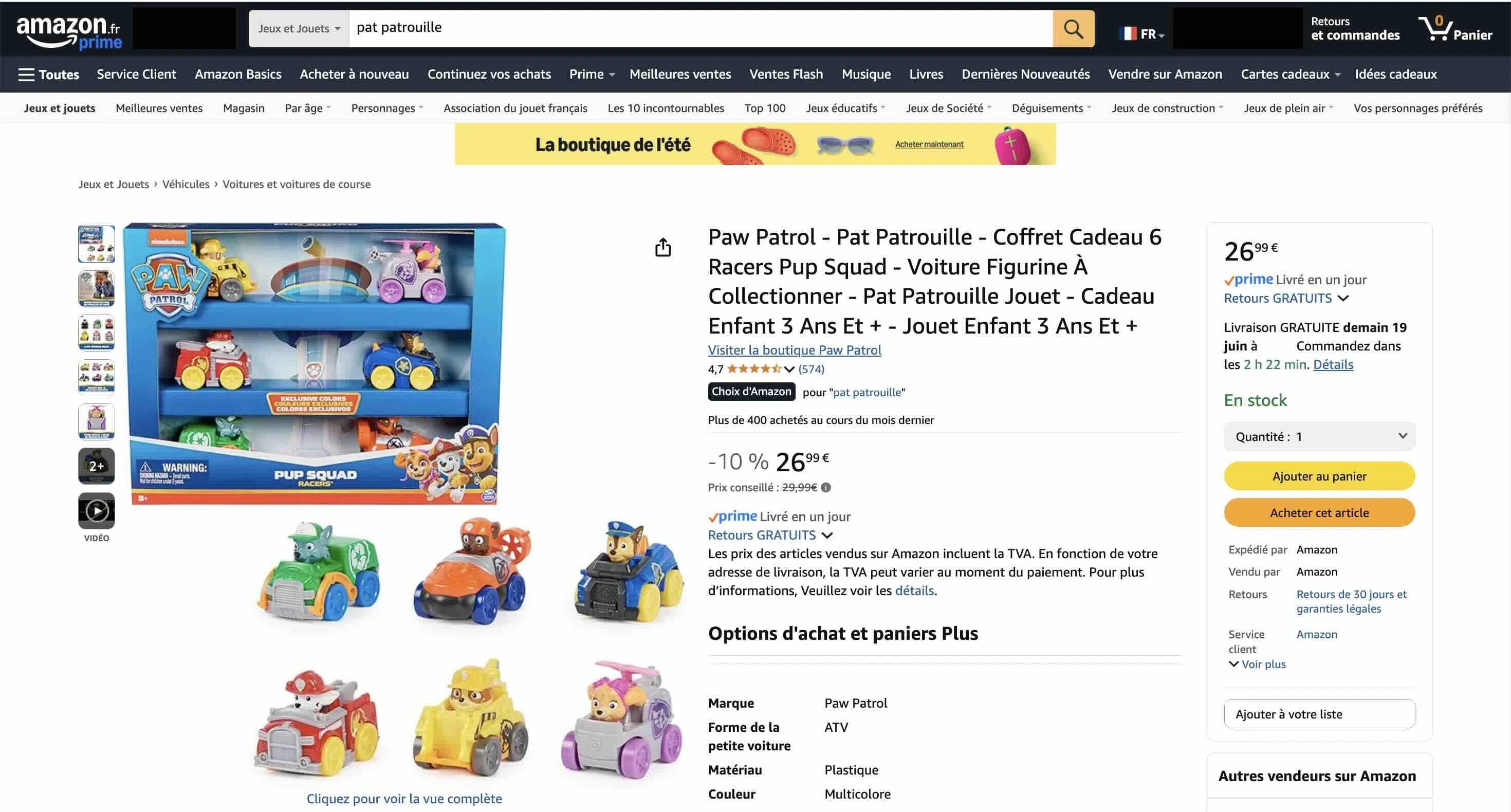
Licensed toys benefit from immediate high awareness and strong prescription power among children. They represent up to a third of toy sales, depending on the year and cultural news (movies, series, events).
In 2025, Pokémon, PAW Patrol, Marvel, Star Wars, Barbie, and Lilo & Stitch are essential. These licenses structure the main trends of the French market: collectible cards, collector ranges for adults, and iconic toys tied to massive franchises.
Customers and Users: The Great Sociological Shift
Another particularity of the toy sector is that the buyer is generally not the final user. Retailers and brands thus deploy a dual approach in stores:
Parents (accounting for less than 50% of purchases, contrary to popular belief), grandparents, and other relatives are directly influenced by all the techniques offered by shopper marketing;
Children, on the other hand, are targeted by significant theatricalization efforts at the point of sale. These immersive displays — bright colors, narrative universes, themed aisles — constitute a major asset against the rise of e-commerce pure players, since young children are generally shielded from screen exposure and online advertising.
However, this situation is changing rapidly; children now receive their first smartphone at age 11, which facilitates direct communication and digitalizes the sales journey. And that's not all: the smartphone itself becomes an entertainment product, an indirect competitor to traditional games, and a gateway to mobile gaming.
Many professionals are thus concerned about the KGOY (Kids Getting Older Younger) effect, a phenomenon where children abandon toys early in favor of screens and teenage habits.
To compensate, however, manufacturers can count on a rapidly growing segment: kidults. These adults passionate about building sets, action figures, puzzles, and other board games now represent a market of 1.3 billion euros.
With little ones growing up too fast and big ones returning to childhood, manufacturers have plenty of food for strategic thought!
The Distribution Channel
a. The Toy Ecosystem in France
The toy and game sector in France relies on a constellation of players involved at different stages of the value chain, from design to shelving.
Manufacturers
Manufacturers are the pillars of the industry. The market is dominated by major international groups like Mattel, Lego, or Playmobil, but there is also a dynamic network of French SMEs such as Smoby, Jeujura, Djeco, or Janod.
Some brands adopt innovative positions, such as DNVBs or startups specializing in educational or creative games. Production is often outsourced, but some players maintain — or develop — local manufacturing, which is increasingly demanded by consumers.
Distributors
At the heart of commercialization are distributors, divided into several complementary channels:
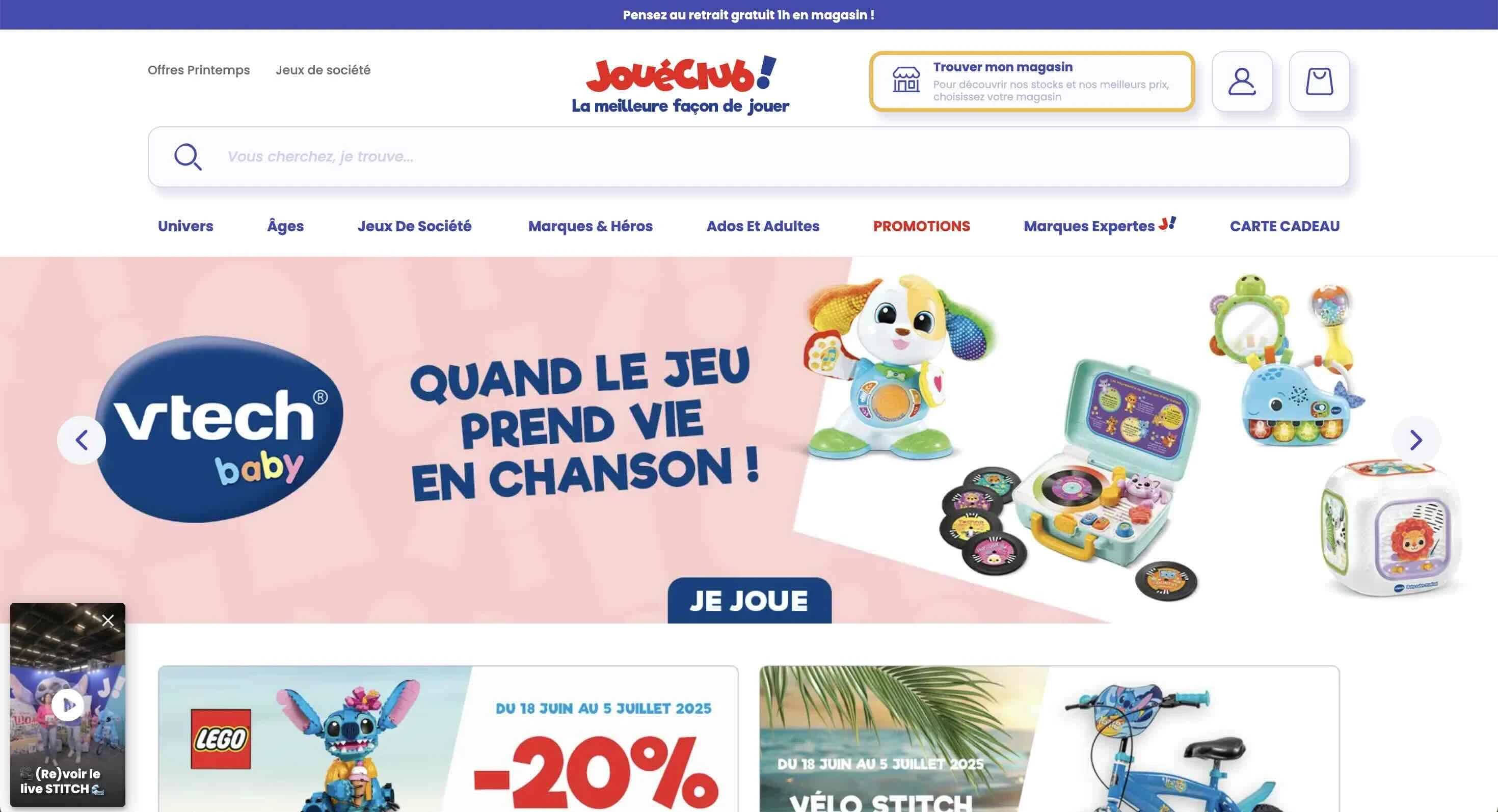
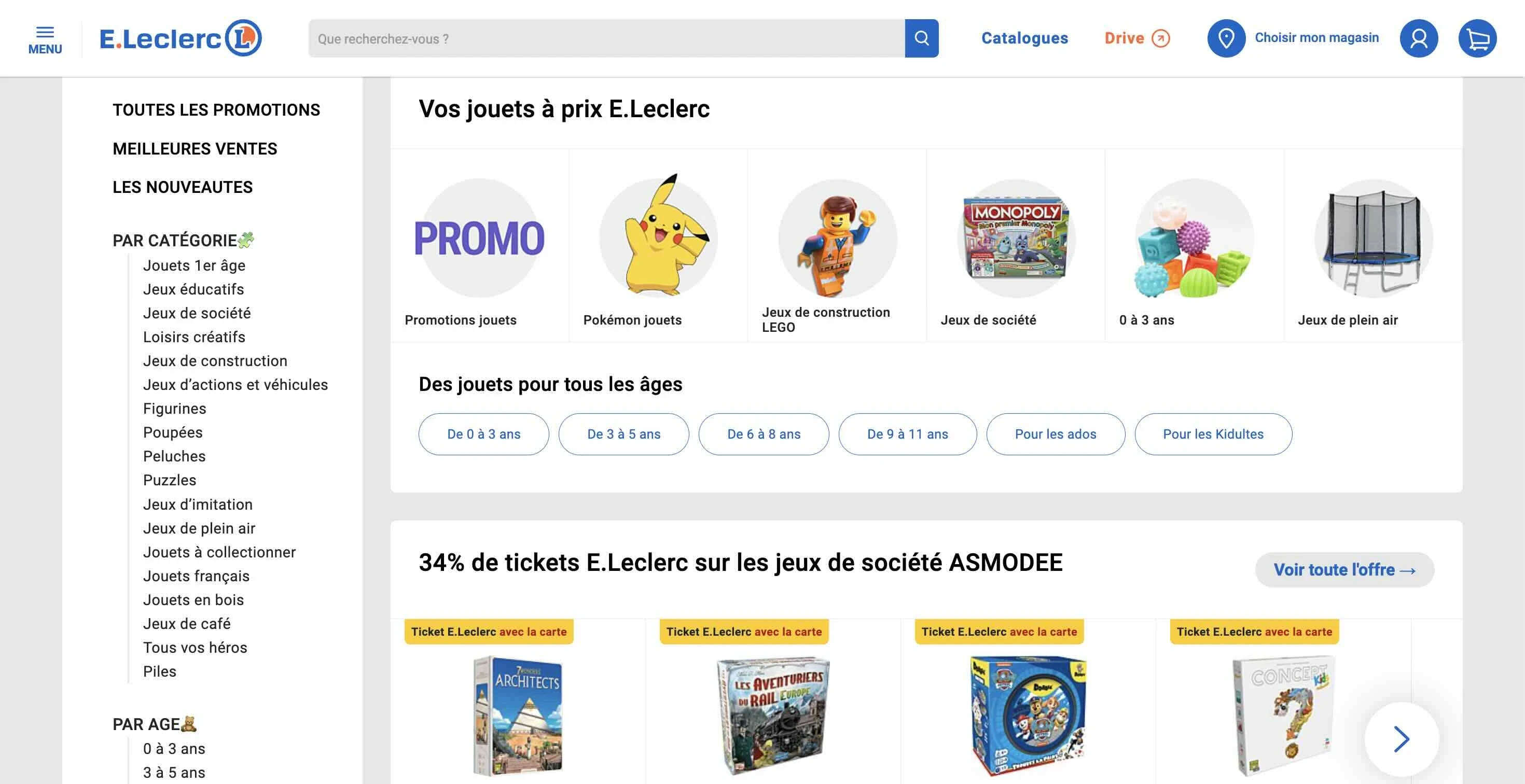
Specialty toy stores (King Jouet, La Grande Récré, JouéClub, Smyths Toys, Oxybul Eveil et Jeux) represent about 40% of the market: they focus on deep assortments and in-store advice, a winning position in 2024 (+7%).
Certain multi-specialists like Fnac or Cultura also position themselves in games, although it is not their core business, and recorded strong progress over the period, ranging from 4% to 9% growth depending on the retailer.
Grocery retail (Leclerc, Carrefour, Auchan) captures about 35% of sales, mainly through high-volume seasonal purchases, especially at the end of the year. This is the channel currently suffering the most, with an estimated drop of 8% in supermarkets and 6% in hypermarkets in 2024.
E-commerce has become an essential channel, holding 20% to 25% of the market share, dominated by Amazon, followed by Cdiscount and Fnac.com.
Independent stores, concept stores, or specialized bookshops account for 5% to 10% of the market, with positive dynamics in sustainable, educational, or creative segments.
Wholesalers
Wholesalers also play a key role in the French market, handling the wholesale resale of toys to small retailers or specialized channels that lack the volume to work directly with brands.
Among them, companies like WDK Groupe Partner act as buying groups or B2B distributors. This link is particularly important for supplying independent points of sale in rural areas or alternative networks.
Retailer / Brand | Type | Latest Known Turnover (in millions of €) |
|---|---|---|
Mattel | Manufacturer | 119 |
Lego France | Manufacturer | 4150 |
Playmobil | Manufacturer | 88 |
Janod | Manufacturer | 65 |
Djeco | Manufacturer | 18 |
Smoby | Manufacturer | 120 |
Jeujura | Manufacturer | 4.4 |
Jouéclub | Specialty Distributor | 659 |
King Jouet | Specialty Distributor | 416 |
La Grande Récré | Specialty Distributor | 230 |
Smyths Toys France | Specialty Distributor | 274 |
Oxybul - Eveil et Jeux | Specialty Distributor | 92 |
WDK Groupe Partner / Jouets Sajou | Wholesaler Distributor | 65 |
Prescribers
Other influential actors: prescribers and educational networks. Daycare centers, schools, leisure centers, and early childhood professionals (speech therapists, occupational therapists) use play for educational or therapeutic purposes, thereby influencing trends and purchases.
Professional Bodies
Finally, the sector relies on several professional organizations that promote the industry, ensure its regulatory compliance, and produce market data. These include the French Federation of Toy and Childcare Industries (FJP), as well as research institutes like Circana (formerly NPD), not to mention the French and European trade shows that structure meetings between stakeholders.
b. Focus on the Specialty Network
Historically, major specialty toy retailers took time to embrace the digital shift. Faced with the rise of online retail sites and aggressive pricing from supermarkets, several faced serious difficulties, particularly leading up to 2020.
Since then, the landscape has evolved: toy specialists have initiated their transformation and now deploy true omnichannel strategies, combining physical commerce, e-commerce, and phygital services (click & collect, online reservation, etc.).
The mega-store model, once pioneered by Toys “R” Us, has gradually disappeared in France, making way for more compact, accessible formats in step with current expectations: proximity, advice, atmosphere, and theatricalization.
Over the past ten years, the specialty channel has had to face many challenges: a declining birth rate, the rise of video games and smartphones, growing pressure from e-commerce, price wars waged by large food retailers, and the extreme concentration of sales at the end of the year. Added to this are high fixed costs associated with operating physical stores.
But these retailers have also been able to leverage several favorable drivers, such as the growing popularity of licenses, the emergence of the kidult segment, and above all, high consumer expectations for advice, service, and personalization.
As a result, to preserve their market share, specialty retailers did not stop at streamlining store formats. Among the strategic pillars pursued are the development of private labels to strengthen differentiation, improving perceived price positioning, premiumizing the offering, and enhancing training for customer-facing teams.
Consequently, despite an economic context marked by the health crisis, the war in Ukraine, and inflation, the sector has shown remarkable resilience. Consumers continue to visit specialty stores, attracted by the quality of the offering, immediate product availability, and the unique shopping experience they provide.
Upheavals in the Toy World
Toys “R” Us, the former global toy leader, filed for bankruptcy in 2017 in the United States, penalized by massive debt and competition from e-commerce. In France, the brand continued its activities under the banner PicWicToys starting in 2019, following its merger with the Picwic network. But in 2022, PicWicToys was also placed under receivership, then acquired by the Irish group Smyths Toys, which retained 41 of the 45 stores in the network.
La Grande Récré, an iconic French brand of the Ludendo group, also went through a critical period. Faced with significant debt, falling store footfall, and late digitization, it was placed in receivership in 2018. In 2023, part of its network was taken over by King Jouet, which integrated certain points of sale and restructured the whole. The brand remains, but its footprint has been heavily reduced.
c. A Distribution Much Broader Than It Appears
Physical sales of games and toys are not limited to specialty or grocery chains. In reality, the sector relies on a multitude of indirect points of sale, which enrich the commercial coverage across the territory. Among them:
Baby stores;
Pharmacies and drugstores;
Children's decor or furniture stores;
Bookstores and cultural shops;
Garden centers and DIY stores;
Overstock and discount stores;
Gas stations and highway rest stops;
Airport and train station shops;
Museums, zoos, animal parks, and tourist sites;
Fairs, Christmas markets, and carnivals;
Department stores and lifestyle shops;
Schools, daycares, and associations during one-off sales events.
This dispersion of touchpoints explains the presence of players like WDK Groupe Partner, a multi-channel wholesaler capable of covering all these networks with a flexible offer tailored to each distribution type.
For toy manufacturers, this diversity of distribution channels requires an agile and differentiated multi-channel strategy. Each point of sale operates under specific purchasing logics and involves distinct supply methods, ranging from buying groups to wholesalers and direct contracts.
To maximize their presence and performance, brands must adapt their offer, sales pitch, and logistics to each channel, while ensuring overall consistency of their image. This fragmentation complicates field management, making it essential to use a retail execution CRM capable of orchestrating the entire network.
New Expectations and Emerging Models
In the face of ecological, economic, and social challenges, consumers are deeply changing their relationship with toys. More attentive to the impact of their purchases, they now value local, sustainable, and educational products, as well as more flexible and collaborative solutions. The toy market is adapting to these new demands, giving rise to novel business models.
a) Made in USA and Responsible Production: Increasingly Scrutinized Criteria
In recent years, local manufacturing has clearly returned to the forefront. Brands like Vilac, Jeujura, or Petitcollin highlight French and artisanal production, often in wood, which appeals to parents seeking quality, traceability, and support for the local economy. King Jouet, for its part, promotes this offering through dedicated "made in France" selections.
Eco-design is also becoming a key criterion. Bioviva, Sloli, and Janod develop sustainable, educational, and low-environmental-impact games. Distributors are following suit, like King Jouet with its Jouet Score label which allows customers to instantly evaluate the eco-responsibility level of a toy or game.
The AGEC law also pushes manufacturers to think about product end-of-life, particularly in terms of collection and recycling.
b) The Toy Becomes an Educational and Evolving Tool
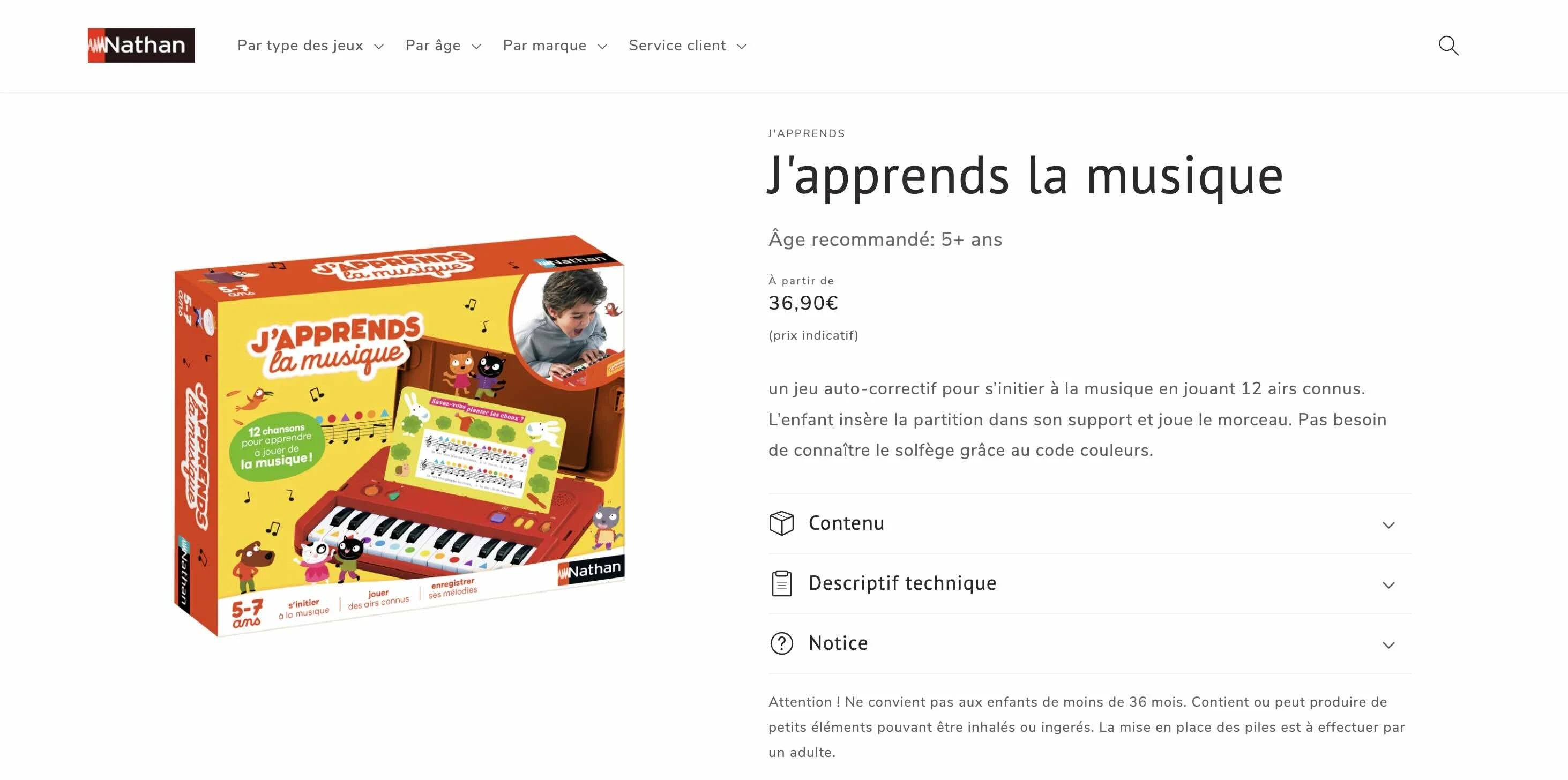
Parents no longer just want to entertain their children: they also want to support their learning. The success of STEM (science, robotics, logic) ranges offered by Clementoni, LeapFrog, or Nathan is proof of this.
c) New Consumption Practices: Towards a More Circular and Accessible Model
The traditional model of buying new toys in-store is now complemented by a multitude of more flexible and cost-effective initiatives:
Second-hand: resale between individuals (Leboncoin, Vinted, retailer marketplaces) is booming, particularly for budget and ecological reasons. The market even includes pure players like Kidi Bam, specialized in children's games, toys, and books. Retailers like Oxybul or La Grande Récré are testing dedicated corners or partnerships for second-life toys.
Subscription and rental: monthly subscription models allow receiving age-appropriate toys, then returning them or purchasing them at a discount. For example: Ma P’tite Boîte or Lib & Lou, which focus on evolving rental and eco-responsibility.
Group buying and collaborative consumption: local or digital initiatives are emerging around collective purchases, particularly to access quality products at lower costs. Some parents pool purchases via Facebook groups focused on family needs.
d) Phygital Distribution: Between Digitally Native and Physical Experience
The development of DNVBs (digitally native vertical brands) like Lunii shows that brands can build direct connections with families via digital channels. At the same time, physical stores are investing in immersive experiences (workshops, in-store toy testing) to enhance their appeal and create value beyond the product.
10 Techniques to Explore to Develop Your Industrial Strategy
In a market context marked by strong seasonality of sales, pressure on logistical costs, a declining birth rate, and strong international competition, toy and game manufacturers must explore new drivers to consolidate their profitability.
Here are 10 avenues to consider when building a more resilient industrial strategy adapted to market realities:
1. Structure Production Around Seasonality
The concentration of sales in the last quarter prompts early planning of production and logistics flows. Developing off-season ranges or targeting export markets in the Southern Hemisphere can help smooth activity throughout the year.
2. Shorten Product Development Cycles
In segments driven by licenses or fast-moving trends, reducing time-to-market can represent a major competitive advantage. Exploring agile methods or partnering with innovative structures (startups, design schools, incubators) can accelerate market launches.
3. Balance Licenses and Proprietary Universes
Relying on popular licenses guarantees quick visibility but reduces margins. Conversely, creating proprietary brands allows for better control of the value chain, provided you succeed in building a strong universe. A mix of both approaches can help balance volume and profitability.
4. Integrate Exports into Your Long-Term Strategy
In a stable or constrained home market, exports can become a growth driver. Europe, the US, or Japan highly value French craftsmanship, especially for high-value-added products. However, it is essential to adapt the offering to local preferences and research the most effective entry channels (partnerships, local distribution, e-commerce platforms, etc.).
5. Diversify and Secure Your Supply Chain
Faced with geopolitical uncertainties and rising costs, it can be beneficial to consider partial nearshoring, multi-sourcing, or regaining control of specific manufacturing stages (assembly, plastic injection). These options help strengthen resilience and reduce lead times.
6. Actively Protect Your Intellectual Property
In an industry where products are easily copied, strengthening intellectual property protections (patents, designs, trademarks) helps preserve differentiation. It is also useful to set up anti-counterfeiting monitoring and cooperate with professional bodies to pool monitoring and enforcement efforts.
7. Explore Growth Segments
Demand is expanding beyond traditional children's toys. Ranges for adults (puzzles, Lego Technic, board games) and educational or eco-friendly toys can offer higher margins and broaden the customer base. Adapting to these use cases can become a key differentiator.
8. Develop a Customer-Centric Digital Strategy
Investing in a direct-to-consumer channel strengthens customer insights and improves margins, provided the coexistence with retailers is managed well. While initial marketing investments can be high, leveraging data to personalize the experience facilitates autonomous value generation.
9. Equip Sales Teams for Retail Execution
Ensuring product visibility at the point of sale is decisive in a highly competitive shelf environment. A mobile CRM facilitates call planning, merchandising monitoring, and coordination between marketing and sales forces.
10. Strengthen Cooperation with Retailers
Faced with demand volatility, it makes sense to share forecasting data, inventory returns, and promotional actions in more detail. Some brands even choose to co-build operations with retail chains to boost commercial efficiency. This is the founding principle of trade marketing.
🔭 Market Intelligence
To effectively drive their strategies, benchmark their performances, identify opportunities, or anticipate market developments, toy manufacturers can rely on several specialized information sources.
On the side of research institutes (retailer and consumer panels), we find the industry standards Circana and Kantar. It is also recommended to rely on the barometers and studies published by the FJP (French Federation of Toy and Childcare Industries) and Toy Industries of Europe.
Various international trade shows can prove strategic: Nuremberg Toy Fair, Paris Retail Week, Kidexpo, or Toy Fair New York for the US market. Finally, digital monitoring can be supplemented by media outlets such as La Revue du Jouet or Toy World Magazine.
Performance in the Distribution Network: A Key Challenge for Brands
The Strategic Assets of Physical Retail
Despite the digital boom, the physical retail network remains an extremely powerful strategic lever for toy brands. Being listed in a specialized or general network allows for:
Strengthening product visibility, especially during key periods like Christmas or Black Friday;
Encouraging impulse buys, notably through prominent shelf positioning, endcaps, or live demonstrations;
Building connections with consumers, by making the product tangible, testable, and highly recommendable;
Boosting sales volumes, by leveraging the extensive footprint of specialty toy chains, grocery stores, or department stores.
In a landscape where consumers want to see, touch, and compare, in-store presence remains a powerful driver of conversion. The magical environment offered by physical stores remains unmatched in terms of emotion and immersion.
The Central Role of Trade Marketing and Retail Execution
Securing shelf space is no longer enough: you must guarantee perfect execution at the point of sale.
This involves:
Monitoring shelf placement, number of facings, and compliance with planograms;
Checking promotional displays: POS materials in place, stock available, and optimal visibility;
Real-time field reporting to correct discrepancies and document store performance.
This is the core challenge of retail execution, which coordinates sales and merchandising teams toward a common goal: maximizing product availability and shelf appeal.
The Benefits of a CRM Designed for Network Sales
To effectively drive this strategy, a specialized CRM like Sidely offers numerous advantages:
Optimized planning of sales rep routes;
Automated store visit reports with photos and comments;
Tracking of shelf placement by SKU and by store;
Calculation of share of shelf, linear share, and other KPIs;
Cross-analysis of performance by SKU, store, retailer, or geographical area;
Quick identification of high-potential or low-performing stores;
Monitoring action plans in relation to agreements negotiated at the headquarters level.
In a highly competitive environment, brands that structure their operations in the field gain the upper hand. A mobile and collaborative CRM specialized in network sales thus becomes a real growth driver.
As the toy and game sector enters a new phase of transformation, the next five years will be decisive. Juggling ecological transition, digitization, changing social expectations, and shifting business models, manufacturers will need to blend creativity, industrial agility, and operational excellence to remain competitive.
Those who succeed in offering meaningful, sustainable, and differentiated products will have a clear advantage in a market where perceived quality and impact will trump the simple pursuit of low-cost volumes.
It was by observing the still-fledgling digitalization of sales forces that Arthur envisioned Sidely. A graduate of EM Lyon and Le Wagon, he combines a rare commercial rigor with a true product culture. This dual expertise allows him to decipher the shifts in the profession and build a product that truly speaks to sales teams.
See also

Artificial intelligence and field professions: what our 2026 studies reveal
Adoption, barriers, use cases: discover what our three studies reveal about the role of AI among sector managers, sales representatives, and foodservice sales reps.

CHR and RHF Sales Representatives: portrait of a relationship-driven profession in the era of data
Equipment, productivity, AI: discover the major trends for the HORECA and food service sales profession in 2026 through our field study.

Pharmaceutical Sales Representative in France: Portrait of a Field Job Under Pressure
Compensation, aspirations, AI usage: discover the major trends in the pharmaceutical sales representative profession in 2026 through our field study.

Area Sales Managers in France: who are they and how is the profession evolving in 2026?
Compensation, aspirations, AI usage: discover the major trends in the field sales representative profession in 2026 through our field study.
The area manager professions in 2026
Discover the trends, the challenges, and the key figures.